Kenya Safaris & Tours
Kenya is a renowned safari destination in Africa, home to incredible wildlife, sprawling landscapes, and a wealth of biodiversity. Visitors exploring Kenya will encounter vast savannahs, towering mountains, cool highland waters, and pristine beaches, among others. About 8% of Kenya is protected area, set aside primarily for biodiversity conservation, comprising wetlands, savannah, forests, marine, desert, and semi-arid ecosystems.
Kenya has 23 terrestrial national parks, 28 national reserves, 4 marine national parks, 6 marine national reserves, and 4 national sanctuaries. These protected areas are home to some of the country's 25,000 animal species and 7,000 species of flora.
Inquire NowWhere to Go in Kenya for a Safari

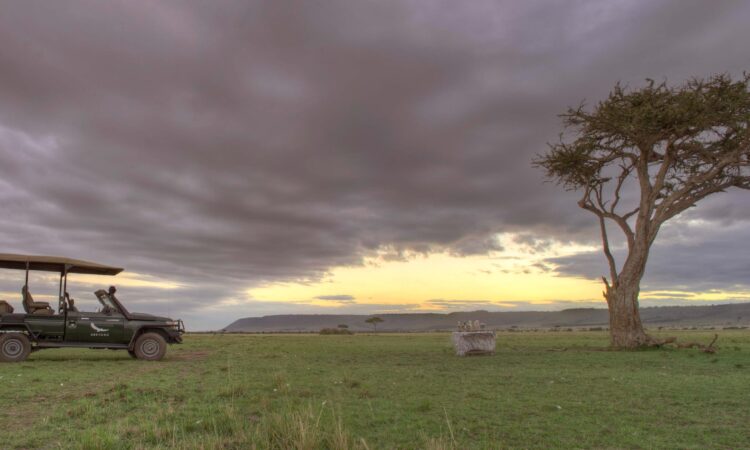
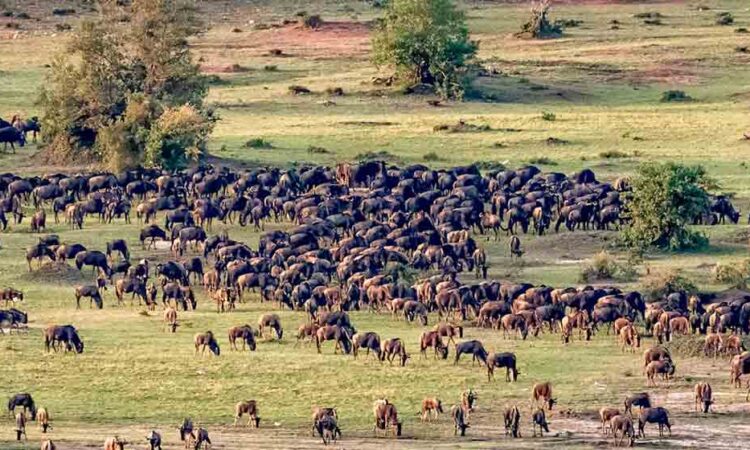
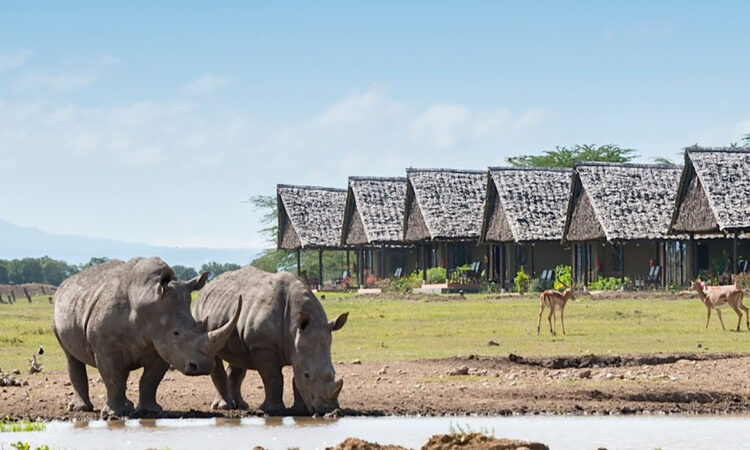
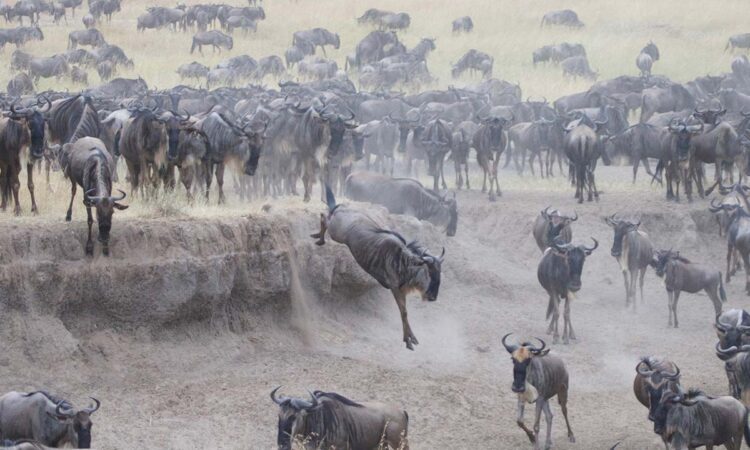
Masai Mara National Reserve: covering about 1,510 square kilometers in southwestern Kenya, Masai Mara is a prime safari destination and the stage for the Great Migration, when millions of wildebeest, zebras, gazelles, and other antelopes cross the Mara River each year. Visitors can also spot the African Big Five, comprising lions, leopards, buffaloes, elephants, and rhinos, alongside cultural encounters with the Maasai people and hot air balloon rides over the reserve.
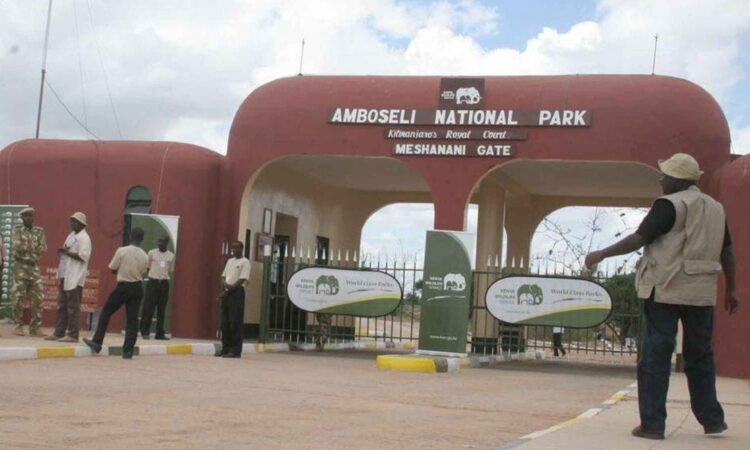
Amboseli National Park: located in southern Kenya and covering approximately 390.26 square kilometers, Amboseli is known as the "Home of the African Elephant" for its high elephant population. Visitors get clear views of Mount Kilimanjaro, Africa's highest peak at 8,895 meters, alongside four of the African Big Five: lions, elephants, leopards, and buffaloes. The park's varied ecosystems include savannah grasslands and woodlands, sulphur spring wetlands, and the dried-up bed of Lake Amboseli, with cultural tours among the Maasai also on offer.
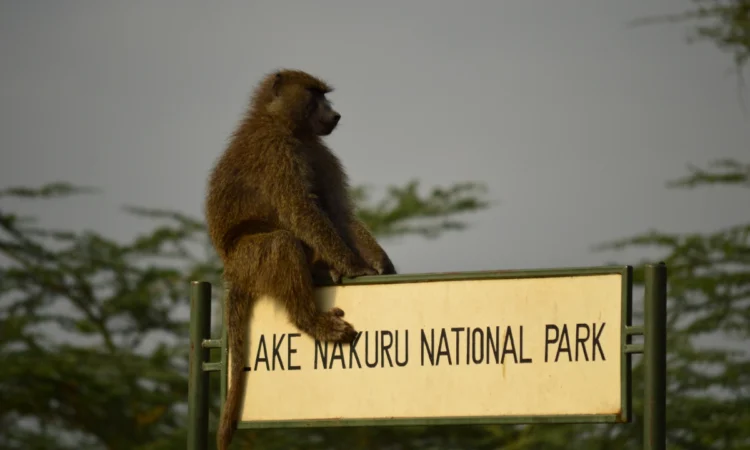
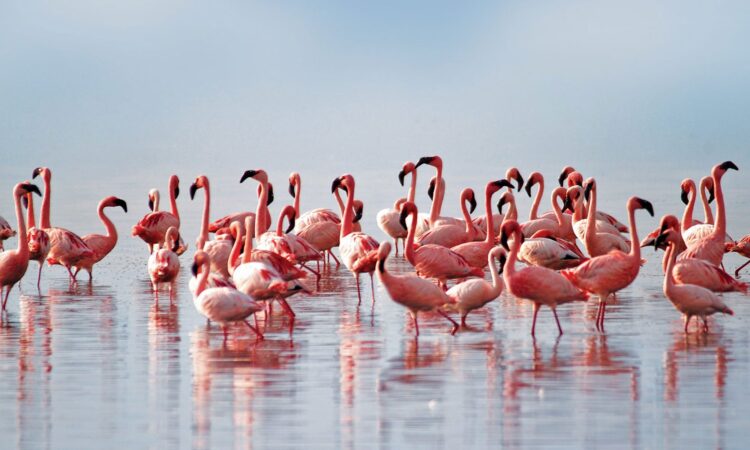
Lake Nakuru National Park: this 188 square kilometer protected area in central Kenya, on the floor of the Great Rift Valley, is known for its alkaline lake, bushy grassland, and woodland. Large numbers of flamingos create a pink hue that draws thousands of visitors each year, alongside rhinos, zebras, lions, waterbuck, and baboons, with escarpments and hills offering strong photography and filming opportunities.
Inquire NowTsavo East National Park: covering around 13,747 square kilometers in southeastern Kenya, Tsavo East is known as the "Theatre of the Wild" and is home to the region's distinctive red elephants. Physical features include vast open spaces, Mzima Springs, the Galana River, and the Yatta Plateau. Alongside the red elephants, visitors can find rhinos, lions, buffaloes, and leopards, plus hippos, waterbucks, lesser kudus, crocodiles, and over 500 bird species.
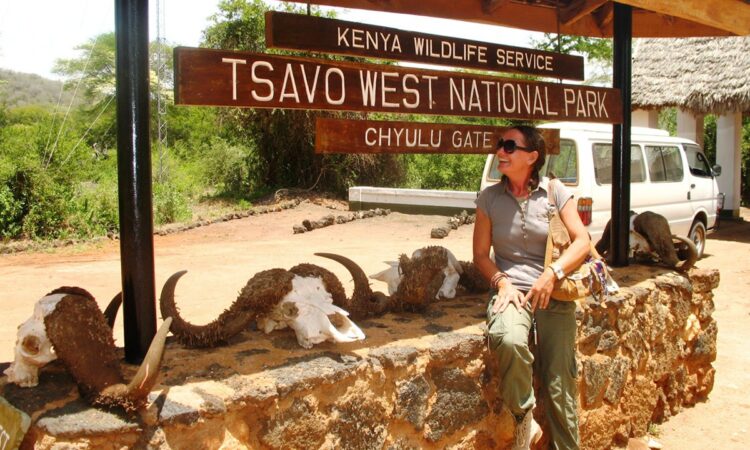
Tsavo West National Park: also in southeastern Kenya, this 7,065 square kilometer park is dubbed the "Land of Lava, Springs, Man-Eaters and Magical Sunsets." The rugged scenery includes savannah grasslands, scrubland, and acacia-dominated woodland, riverine vegetation, and about 50 million gallons of clear water gushing from Mzima Springs. Wildlife includes the African Big Five, along with hippos, cheetahs, and a wide range of bird species.
Inquire NowMore Kenya Safari Destinations
Mount Kenya National Park: covering 2,800 square kilometers in central Kenya, Mount Kenya is Africa's second-highest peak at 5,199 meters. This extinct volcano has twelve remnant glaciers and four secondary peaks, alongside mineral springs, forests, lakes, and tarns. Vegetation ranges from shrubs and giant groundsel to cedar, podo, lobelia, and African sage protea, while wildlife includes alpine zebra, waterbuck, elands, bushbucks, black and white colobus monkeys, elephants, buffaloes, white-tailed mongoose, and at least 130 bird species. Trekkers can choose from several routes of varying difficulty.
Nairobi National Park: covering just 117 square kilometers a short distance from Nairobi city, this park's open plains and scattered acacia trees are home to lions, leopards, elands, hippos, zebras, wildebeest, giraffes, black rhinos, cheetahs, buffaloes, and over 400 bird species, including ostriches and grey crowned cranes.
Inquire NowHell's Gate National Park: sitting on about 68 square kilometers in the Great Rift Valley in southwestern Kenya, Hell's Gate takes its name from the intense geothermal activity within its boundaries. Dramatic cliffs and gorges with geothermal hot springs are home to Thomson's gazelle, elands, buffaloes, zebras, hartebeest, and at least 100 bird species. Visitors can enjoy wildlife viewing, birdwatching, hiking, biking, rock climbing, and a natural spa.
Aberdare National Park: covering about 767 square kilometers in Kenya's central highlands, Aberdare is known for its misty valleys, hills, and mountain ranges, with forests and moorlands forming the backdrop. Waterfalls including Karuru, Gura, Chania, and Magura plummet from high altitude into gullies and gorges below, alongside notable rock formations known as the dragon's teeth. Wildlife includes lions, buffaloes, black leopards, elephants, elands, black rhinos, black serval cats, and forest antelope and duikers.
Inquire Now
Kenya's Coast & Marine Parks
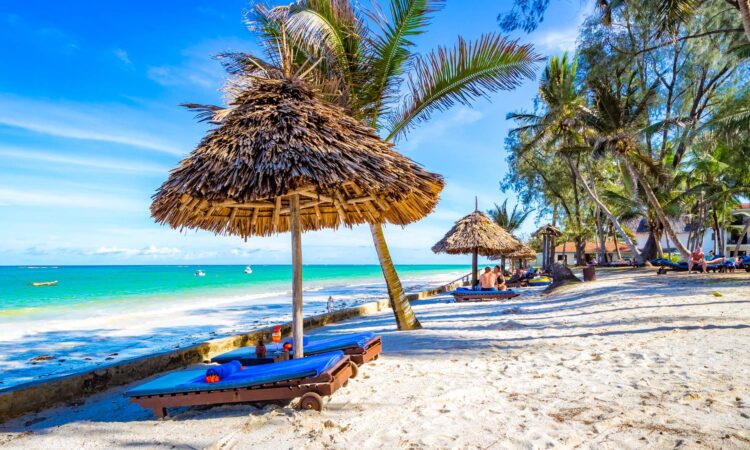
Diani Beach: located on the Indian Ocean coastline, Diani offers white sands, coral reefs, and clear turquoise waters, making it a strong base for snorkeling, diving, swimming, and other water sports.
Malindi Marine National Park and Reserve: this 213 square kilometer marine park along the Kenyan coast is known as the "Coral Garden," with fringing reefs, sea grass beds, mangroves, mudflats, and coral gardens home to zebra fish, turtles, and a variety of shorebirds. Activities include swimming, windsurfing, glass-bottom boat rides, snorkeling, camping, and beach walks.
Inquire NowWhat to Do in Kenya
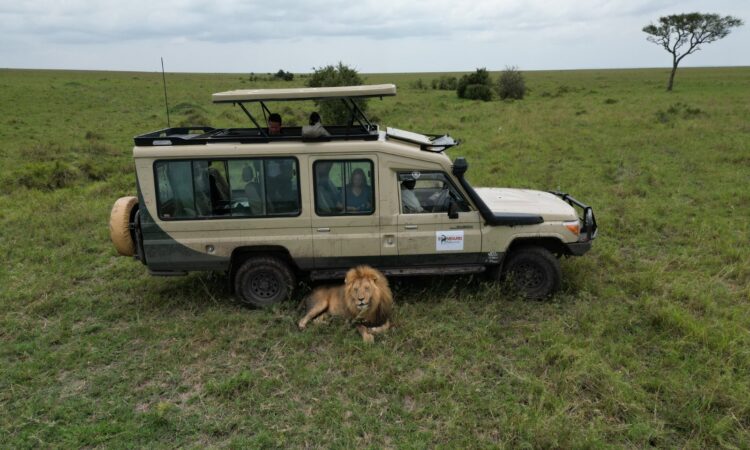
Game viewing safaris: visitors can enjoy game drives in any of Kenya's national parks and reserves to spot the Big Five alongside bird, amphibian, and reptile species, as well as the parks' landscapes and vegetation. Wildlife is most active during early morning and late afternoon, while night game drives offer the chance to spot nocturnal species such as lions, pangolins, and leopards.
Birdwatching excursions: with at least 1,090 bird species, Kenya is a birding destination that draws birders from across the world. Birds are found across tropical rainforests, wetlands, savannah grasslands and woodlands, mangroves, lakes, rivers, and highlands. Kenya has at least 62 recognized Important Bird Areas, including Lake Magadi, the Aberdare Mountains, Masai Mara, Kakamega Forest, and Tsavo East National Park. Species to look for include flamingos, Aberdare cisticola, Kikuyu white-eye, Taveta golden weaver, and Taita apalis.
Inquire Now
Hiking and rock-climbing adventures: Kenya safaris offer numerous trails of varying difficulty for hikers, most prominently at Mount Kenya National Park, Mount Longonot National Park, Hell's Gate National Park, Mount Elgon National Park, and Tsavo East National Park, with the chance to spot scenery and wildlife along the way.
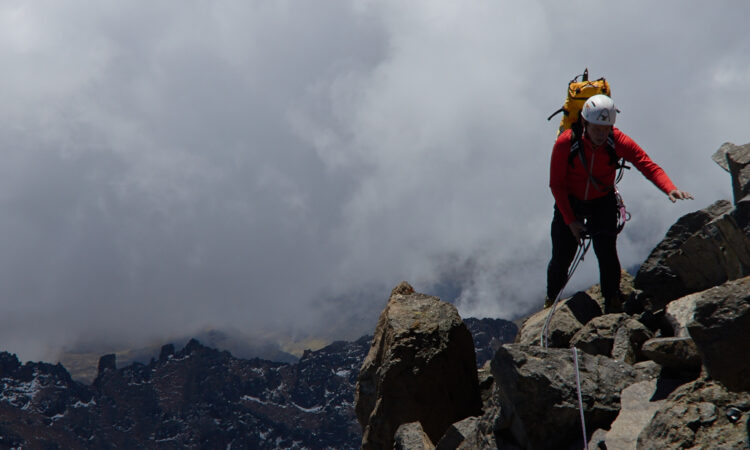
Mountain climbing adventures: mountaineers can take on Mount Kenya, Mount Elgon, and the Aberdare ranges, each offering a different level of difficulty. Along the way to the summit, hikers pass caves, streams, and varied vegetation.
Nature walks: guided or self-guided nature walks let visitors explore Kenya's landscapes, vegetation, and birdlife up close, following trails in destinations such as Kakamega National Park, Nairobi Safari Walk, Shimba Hills National Reserve, Ndere Island National Park, Kisumu Impala Sanctuary, Aberdare National Park, and Mount Elgon National Park. Nature walks are mostly done during the day, though some destinations offer guided night walks.
Inquire NowMarine, Horse Riding & Sport Fishing Adventures
Underwater and marine adventures: Kenya's protected shoreline offers coral gardens and the chance to spot dolphins, with tours run in Kiunga Marine National Reserve, Watamu Marine National Park and Reserve, Malindi Marine National Park, Kisite Mpunguti Marine National Park, and Mombasa Marine National Park and Reserve. Activities include snorkeling, diving, surfing, glass-bottom boat rides, and water skiing.
Horse riding safaris: visitors can ride on horseback in Hell's Gate National Park, Tsavo East, Chyulu Hills, Aberdare, and Mount Elgon National Park, spotting mammals, birds, and landscapes along the way.
Sport fishing: anglers can fish in Tsavo West, Mount Kenya, and Aberdare National Parks with a fishing licence from the park gate, targeting species such as tuna, wahoo, and kawakawa.
Other activities include cycling, hot air ballooning, cultural encounters, conservation experiences, camping, cave exploration, and photography.
Inquire NowBest Time to Visit Kenya
Kenya can be visited year-round, though the best time depends on the type of experience you're after. With variation in climate, geography, and wildlife patterns, consider the following:
Dry season: running from June to October, this is the best time for game viewing, with sunny weather, minimal rainfall, sparser vegetation, and wildlife gathering around water sources.
Rainy season: running from April to May, with long rains that can make roads difficult to navigate and wildlife viewing more challenging due to muddy trails and dense vegetation. Birders benefit from spotting resident and migratory species during their breeding season, and the lush scenery suits photography. As a low season, it also brings discounts on tours and accommodation, making it a good option for budget travelers.
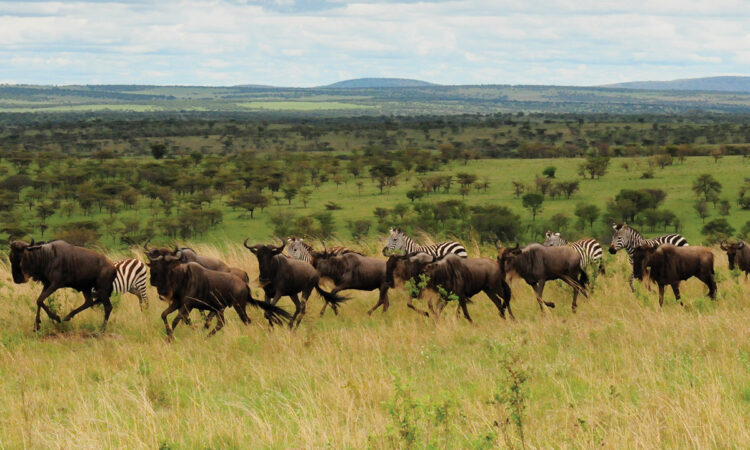
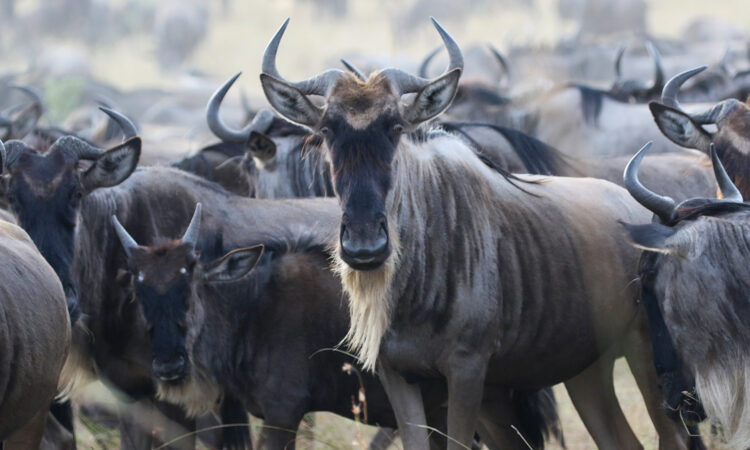
The Great Migration: from July to September, about 2 million wildebeest, zebras, and gazelles cross the Mara River into Serengeti National Park in Tanzania in search of better pasture, drawing predators and dramatic wildlife viewing along the way.
Kenya's coastal region: destinations such as Mombasa, Malindi, and Diani Beach are best visited from December to March, when the weather is hot and dry, suited to beach activities, diving, and snorkeling.
Inquire NowFacts About Safaris in Kenya
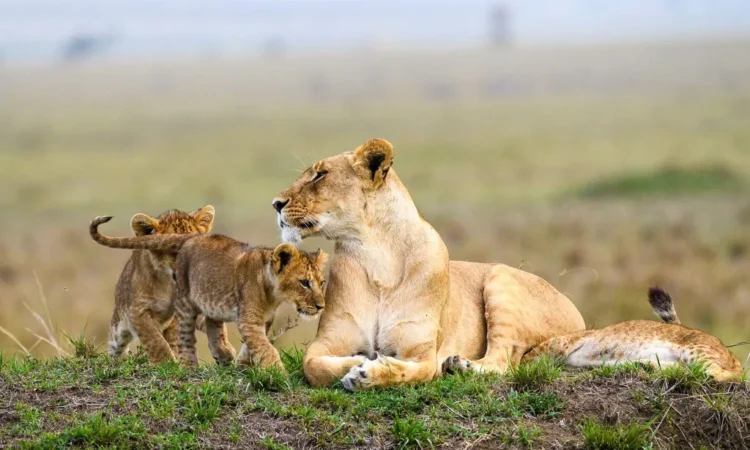
Kenya's national animal: the African lion, an apex predator and member of the Big Five, found in Masai Mara National Reserve, Tsavo National Park, and Amboseli National Park, among others.
Mount Kenya: in central Kenya, this is the second-highest mountain in Africa after Mount Kilimanjaro in Tanzania.
National parks and reserves: Kenya has 23 national parks, 28 national reserves, 4 marine national parks, and 6 marine national reserves, all significant for safeguarding the country's biodiversity.
Languages spoken: Kenya is home to more than 60 indigenous languages, including Luo, Kikuyu, Akamba, and Samia, alongside its two official languages, English and Swahili.
Lake Turkana: the world's largest permanent desert lake and largest alkaline lake, located in northwestern Kenya, and also the country's largest lake and an Important Bird Area.
Inquire Now
The Great Rift Valley: also known as the East African Rift Valley, this geological feature crosses Kenya from north to south and takes in destinations such as Lake Nakuru, Lake Turkana, and Hell's Gate National Park.
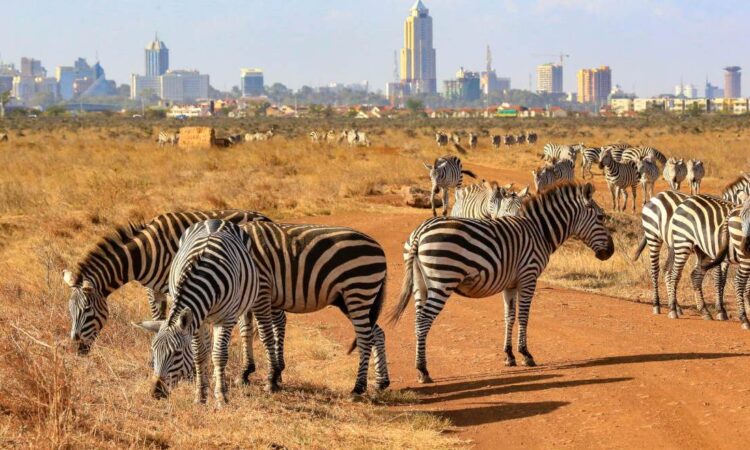
Nairobi National Park: known worldwide as the closest national park to a capital city center, offering views of wildlife against the backdrop of Nairobi's skyline.
Equator crossing: the equator crosses Kenya, with markers and signs along major highways and towns offering photo opportunities for visitors.
The Great Wildebeest Migration: an annual natural event involving millions of wildebeest, zebras, gazelles, and other antelope making the crossing of the Mara River in search of greener pasture in Serengeti National Park, and back again.
Lake Victoria: Kenya is one of the countries bordering this lake, the largest in Africa by surface area at approximately 68,800 square kilometers, and the largest freshwater lake in the world after Lake Superior.
Inquire NowKenya Safari Weather
Kenya experiences varied climatic and weather patterns throughout the year. Most protected areas, especially the terrestrial national parks and reserves, have a tropical climate with dry, warm to hot conditions, and long rains falling between April and June.
Mountainous parks such as Aberdare and Mount Kenya experience alpine or highland conditions, with cooler temperatures and higher rainfall. Coastal parks and reserves are generally warm and humid, while the northern and eastern regions tend to be hot and dry.
Inquire NowKenya Safari Clothing
Kenya's temperatures range from warm during the day to cool or cold at night, so pack outfits that can be layered as needed.
- Loose-fitting long trousers and long-sleeved T-shirts to prevent insect bites and reduce friction against vegetation.
- Dull, earth-toned clothing such as khaki, to blend in with the environment and avoid disturbing wildlife.
- A wide-brimmed hat and sunglasses to protect against direct sun.
- Comfortable, lace-up shoes with good traction.
Inquire NowCost of Kenya Safaris
Kenya safaris are priced according to season, duration, and destination. Park entry fees for Amboseli and Lake Nakuru National Parks are US$60 for foreign non-residents and Ksh 860 for residents and citizens. Aberdare, Meru, and Kora National Parks cost Ksh 300 for citizens and residents and US$52 for foreign non-residents. Mount Kenya costs Ksh 300 for citizens and residents and US$43 for foreign non-residents.
Marine national parks: Kisite Mpunguti costs Ksh 215 for citizens and residents and US$17 for foreign non-residents. Malindi, Mombasa, Kiunga, and Watamu charge Ksh 130 for citizens and residents and US$17 for foreign non-residents. Nairobi urban safaris cost Ksh 430 for citizens and residents and US$43 for foreign non-residents. Tsavo East and Tsavo West cost Ksh 515 for citizens and residents and US$52 for foreign non-residents.
Additional tourist service fees in Kenya's national parks and reserves include:
- Night game drives: Ksh 2,155 per person per trip
- Lake boating: Ksh 1,290 per person per hour
- Guided tours (up to 4 hours): Ksh 1,720 per guide
- Guided tours (over 4 hours): Ksh 3,015 per guide
- River rafting: Ksh 1,720 per person
- Horse riding using a KWS horse: Ksh 2,585
- Horse riding using a private horse: Ksh 1,030 per day
- Walking safaris: Ksh 1,500 per person per day
- Fishing: Ksh 515 per line per day
- Bicycle hire: Ksh 500 per day
- Cycling: Ksh 215 per day
- Camping fees: Ksh 200 to Ksh 500 for citizens and residents, US$20 to US$50 for foreign non-residents
Combining services and activities, a typical 7-day Kenya safari costs between US$3,000 and US$4,500 per person, all-inclusive.
Inquire Now
How Long Should Your Kenya Safari Be?
The right duration for a Kenya safari depends on how much time you have. With a month to spare, consider a safari of 10 to 15 days, giving you time to explore Nairobi city, Masai Mara, Amboseli National Park, Lake Nakuru, Diani Beach, Aberdare, Tsavo, Samburu, and other destinations at a comfortable pace.
With less time available, up to five days is enough to cover some of the country's most iconic destinations, particularly in the southern circuit that includes Masai Mara, Naivasha, Lake Nakuru, and Amboseli National Parks.
Inquire Now