
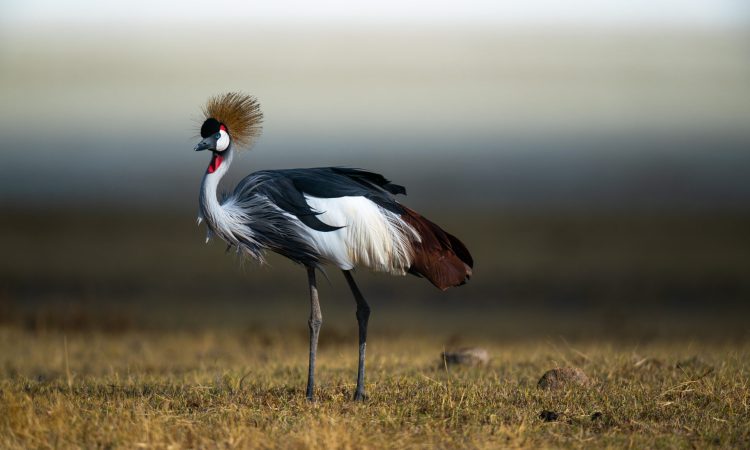
A safari to the pearl of Africa is not a waste of time and money because Uganda has a total of twelve game reserves, ten national parks, five community wildlife management areas and thirteen wildlife sanctuaries. The main aim of the game parks and game reserves is to protect animals in their natural habitats and sanctuaries provide protection to endangered animals.
Collectively, a tourist has a total of forty wildlife reservation centers to visit while in Uganda and I can’t imagine anyone visiting all of them, especially in a single safari.
Amabere ga nyina mwiru
Culturally, this site is connected to the Bachwezi and specifically to King Bukuku and his daughter Nyina Mwiru. It is believed that Bukuku’s daughter lost her breasts after they were cut off and there are many theories that come up to explain why she lost them. On the other hand, geographers point out that these caves were formed as a result of stalactites and stalagmite rocks.
Whether cultural or geographical, tourists enjoy visiting the site and get a glimpse of Amabere ga nyina mwiru because the site has rocks curved like breasts and it’s fascinating to watch leaving one no choice but to think through the cultural point of its existence.
Nyero rock painting
These artistic rocks are found in Kumi District in the Eastern part of Uganda and are believed to have been sacred places for gods. Itesots previously would make sacrifices and pay offerings to their gods concerning their problems like praying for rain but they were stopped by the government such that they can gazette the site since it was added among the UNESCO world heritage sites in 1997.
Source of River Nile
This prestigious river flows through different countries before finally pouring its waters into the Mediterranean Sea. Tourists have to come all the way to Jinja, the Eastern part of Uganda to sight the start of the longest river in the world.
Travel tips
- Tourists should consider first purchasing a visa while traveling to Uganda. The visa can either be purchased online through the Directorate of Citizenship and Immigration or obtained at the airport on arrival into the country. It is also advised for tourists to purchase the East African Community single tourist’s visa if they are planning on traveling to Uganda, Rwanda and Kenya at the same time.
- Most of the roads in Uganda are experiencing upgrades while some especially in rural areas are still in poor conditions, especially during rainy seasons where they become muddy, slippery and ragged therefore tourists should consider a vehicle that can move through rough terrains while on their safaris. It is advised they contact UWA about the road conditions and are advised on the best route to take for a particular journey.
- Considering the fact that most areas in Uganda still have barbaric cultural practices, it renders the country conservative therefore tourists should dress in a respectful way especially women should wear clothes that are over the knees, especially during community visits.
- Tourists should also pack cameras, binoculars, power banks, and extra batteries while on safaris to keep all of their memories while on the safari.
- Ugandans are generally friendly and hospitable individuals and the fact that they use English as their national language should encourage tourists to approach and greet them while in need of any help after all most of them are always eager to talk to the unique strangers in their areas.
- Internet connectivity in Uganda isn’t really good not forgetting that most lodges offer free WI-FI but it’s always slow or not working. Therefore, tourists should first research which network works best in the area they are going to so that they purchase Prepaid SIM cards for that network to access their personal internet services.
- Just like in any other country where people tip-off service providers for the perfect work delivered to them, tipping in Uganda is also acceptable if the tourist feels happy about a service that has been rendered to them by anyone, for example a guide.
- Tourists should understand that the Uganda Wildlife Authority can accept any type of currency like dollars, euros for most activities and national park entry fees but they should carry along Uganda shillings of both coins and paper money because the natives in supermarkets, gas stations, shops only receive and use Ugandan shillings as a medium of economic exchange.
- The country welcomes traveler’s year in and out but the best time for safaris is during the dry season that stretches from June to August and from December to February.
- Uganda is generally a safe destination but this shouldn’t cause the tourist to lay their guard down because there are still some crimes that could be done to them especially theft, conmen asking for money and getting harmed while during strikes therefore they should be aware of the places they walk through and the people they communicate to.
- Considering the fact that Uganda is busy, travelers are prone to suffering from tropical diseases like malaria, chicken pox, rubella, and polio among other diseases therefore they should consult travel medical personnel or clinics on the necessary and right vaccines to receive before getting into the country.
When to visit Uganda
Due to the fact that most safaris are undertaken in busy areas and not forgetting that most of the road networks in Uganda are under upgrade and some in poor conditions, the best time for safaris is during the dry season that falls between June to August and December to February. Otherwise, the wet season doesn’t provide for a good safari experience because some lodges and camps in areas that receive very high rainfall close due to dangers caused by high rainfall.
Getting a visa in Uganda
While the world is going electronic in most of the activities, Uganda has not been left behind therefore all individuals intending to come to Uganda need to first obtain their visas online. The beauty about these electronic visas is that they take around 3-6 working days to be ready depending on the processing time options chosen by the applicant, the standard processing time takes 6 business days and costs $ 93.50, rush processing time takes four business days and costs $126.50 and super rush processing time takes only 3 days and costs $ 155.25 with service fees inclusive for all the packages.
Travelers should also hand in the necessary documents that include a passport, applicant passport photos, invitation letter if applicable, the purpose of travel, return ticket if possible and other documents as they might be required by the immigration office. Tourists with the Uganda tourist e-visa are permitted to stay in the country for 45 days maximally and beyond that, a fine of $30 is imposed on the tourist per day.
People and Culture
Most people in Uganda originate from Bantu, Nilotics and Nilo-Hamites and spread out to over 50 cultures that are found in the country each having their own norms, beliefs, culture and traditions. The most common ethnic group is the Bantu tribe living in the central, eastern and southern parts of the country followed by the Nilotics like Langis, Karamajongs, and Acholis. Some of the cultural practices include folk tales, traditional stories, hunting skills, farming, rituals, ceremonies, medical treatment practices, housing, and childcare among others.
Tourists would enjoy a cultural safari because different tribes have different dress codes like kanzu and gomesi and kanzu for Baganda, suuka for Karamojong, mushanana for people in the west among others. Traditional marriages also differ among these tribes but the fact that girls are got from their parents’ homes after paying bride price cuts across.
Uganda has a variety of foodstuffs and is the second banana-growing country in the world. This doesn’t mean that all the tribes in Uganda eat matooke because each tribe has its own special staple food like Bakiga eat Irish potatoes, Baganda and Banyankole eat matooke.
Ugandan natives are also religious with about 85.2% of them being Christians, 12% are Muslims and the other percentage is shared by other religions including the Hindus. The country is full of different types of cultures and people that are fascinating and interesting to learn about while on a cultural trip. Despite the fact that each tribe has a native language that is used as a means of communication, tourists shouldn’t worry about language barriers while in Uganda because the national language of the country is English.
Suggested packing list
- Personal documentation and necessary safari permit.
The first thing that is done at the individual parks is to cross check the validity of the traveler’s documents like visas, and passports and to ensure that access to the park is only to those that have paid for the service and obtained the necessary permits, for example, gorilla permits to gorilla trekkers. Therefore, tourists should pack these documents before anything else otherwise they will be bounced back from the entrance of the park.
- Hiking boots
These should be on the safari packing list for all tourists, especially those going to engage in hiking due to the rough terrain and thick bushes of most parks in the country.
- Insect-proof and sun-blocking safari clothes
The thick bushes and trees keep not only different wildlife and birds but also insects that can be irritating while they navigate your whole body as they give you small bites similar to injections. Also, these clothes should be able to block the effect of the sun on tourists since they spend the whole day on the move under the sun.
- Rechargeable torch or lantern
Most lodges in far areas from the town use solar systems because electricity is still under way in those areas hence sometimes the solar system might be down, especially during the wet season. Tourists can use these flashlights to aid personal activities during these dark times. Additionally, it’s of utmost importance to night game drivers to facilitate their site through the darkness of the wilderness.
- A local Sim Card
Tourists should first research which network is stronger in the area they are going to before purchasing the Sim Card. This facilitates communication between the tourists and the UWA in situations where they encounter any problem while on their safaris or would like to inquire about something.
- Insect repellents
Better safe than sorry should be considered even in areas that have few insects. Insects such as mosquitoes can spread malaria to tourists and instead of joy, they acquire misery from the trip. Therefore, applying insect repellents daily can keep insects from endangering the visitors.
- Collapsible day pack
Tourists usually have backpacks but are not necessarily used on a daily basis hence a collapsible pack could solve the problem where the traveler can use it when moving with fewer items and expands into a backpack on days when there is a lot of material needed for the safari.
- First aid kit
This is incredibly useful for minor injuries on the trip like falls, scratches from tree branches, ankle twists and minor health problems like headache, stomachache, and diarrhea.
- Sweater and rain jackets
These are crucial while making trips to mountainous areas like Bwindi, Mountain Rwenzori, and Mountain Elgon which get too cold during the evening and morning hours of the day regardless of the season.
- Photographic equipment
Cameras and other photographic equipment with rechargeable batteries should be packed for safaris to preserve the fresh memories made by the tourists while on the trip.
- Toiletries
Many times, tourists may not have access to running water to use in regards to toilet services. Therefore they need to pack hand sanitizers, antibacterial soaps, toilet papers, toothpaste, facial cleansers and others preferred by the visitors.
- Binoculars
It is important for tourists to have these instruments while on safaris since they don’t stage closer to the animals.
Uganda the Pearl of Africa as it was named by Winston Churchill has a lot of tourist sites that are unique and have different outstanding features which basically attract tourists to the country but more emphasis should be put on accommodation, road networks and other challenges faced by the visitors while on their safaris to attract more and more people into the country. Additionally, the sites should be well conserved so that the country maintains its attribute of being the Pearl of Africa.


