Rwanda Gorilla Trekking & Safari Tours
Rwanda gorilla trekking and safari tours let you explore the elusive mountain gorillas, found in only a handful of places in the world. Ask anyone who has visited Rwanda what stands out most, and the answer is almost always gorilla trekking, an African safari highlight and an unforgettable adventure.
You come as a visitor and leave with a deeper appreciation for wildlife, culture, and nature. Gorilla trekking in Rwanda takes place only in Volcanoes National Park, guided by expert rangers with years of experience studying mountain gorilla behavior. The only other places to find mountain gorillas are Mgahinga Gorilla National Park and Bwindi Impenetrable National Park in southwestern Uganda, and Virunga National Park in eastern Democratic Republic of Congo.
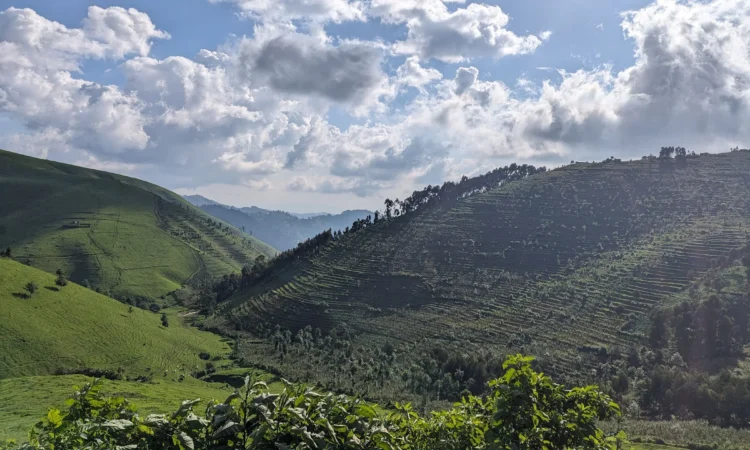
Rwanda is a small but striking country in East Africa, known for its landscapes, wildlife, and rolling hills across every region. It sits just a few kilometers from the equator, bordered by the Democratic Republic of Congo, Uganda, Tanzania, and Burundi.
Inquire Now

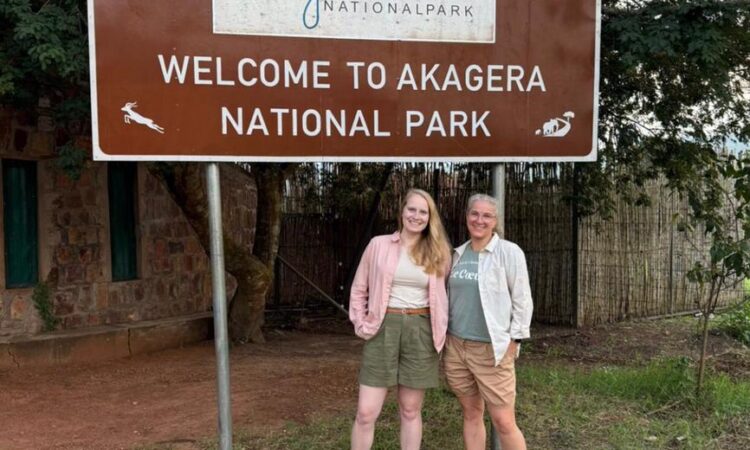
Rwanda's capital, Kigali, is one of the cleanest cities in Africa. The official language is English, though Kinyarwanda is the most widely spoken local language. Rwanda has four national parks, spread across the east, northwest, and southwest: Nyungwe National Park and Gishwati-Mukura National Park for chimpanzee trekking, Volcanoes National Park for gorilla trekking, and Akagera National Park for the Big Five, including lions, leopards, African elephants, Cape buffaloes, and rhinos.
Rwanda suits a wide range of trips, including business travel, leisure vacations, reconnecting with friends and family, school and research tours, and cultural travel.
Inquire NowWhat to See in Rwanda
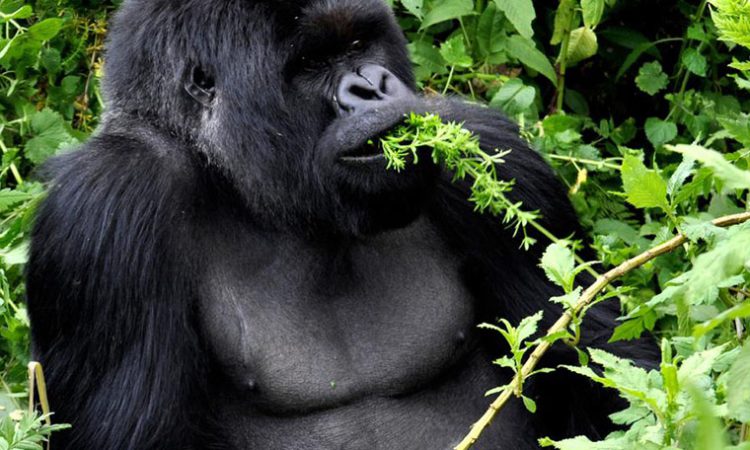
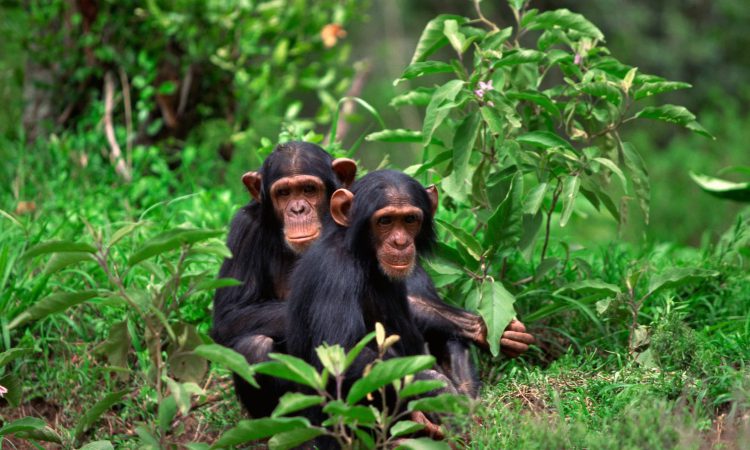
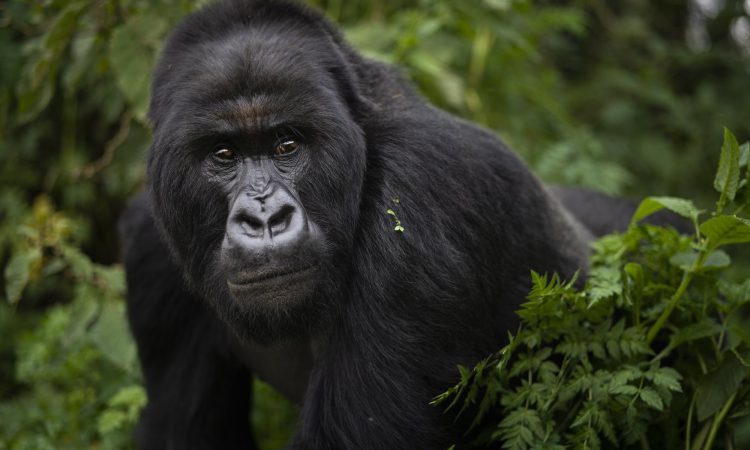
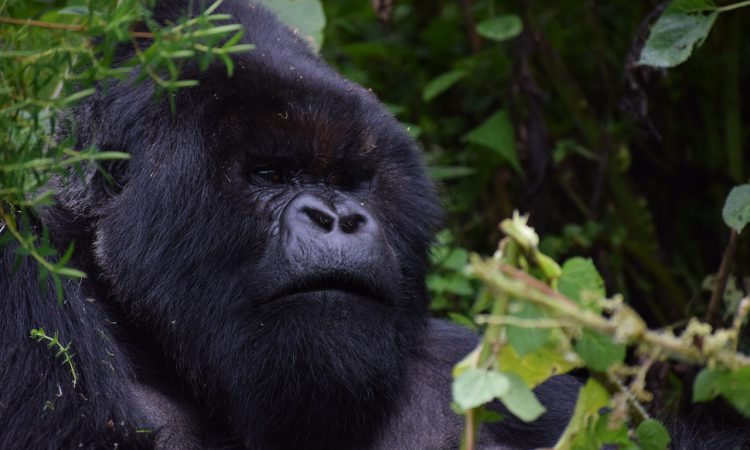
Rare primates: mountain gorillas, golden monkeys, and chimpanzees all call Rwanda home. Gorillas are the world's largest primates, powerful yet notably calm, living in family groups led by a dominant male known as a silverback for the silver hair across his back. Chimpanzees are another must-see, found in Nyungwe and Gishwati-Mukura National Parks alongside black and white colobus monkeys, baboons, and other primates. Chimpanzees share over 98% of their DNA with humans, making an encounter with them a memorable one.
Rwandan culture is distinct and well worth exploring. Visitors can learn about the country's two main ethnic groups, the Tutsi and Hutu, and hear firsthand accounts of Rwanda's history, including the 1994 genocide against the Tutsi. Cultural and historical sites such as the Nyanza King's Palace and Ibyiwacu Cultural Village offer insight into local cuisine, dress, performance, and tradition.
Inquire NowMammals & Birdlife in Rwanda
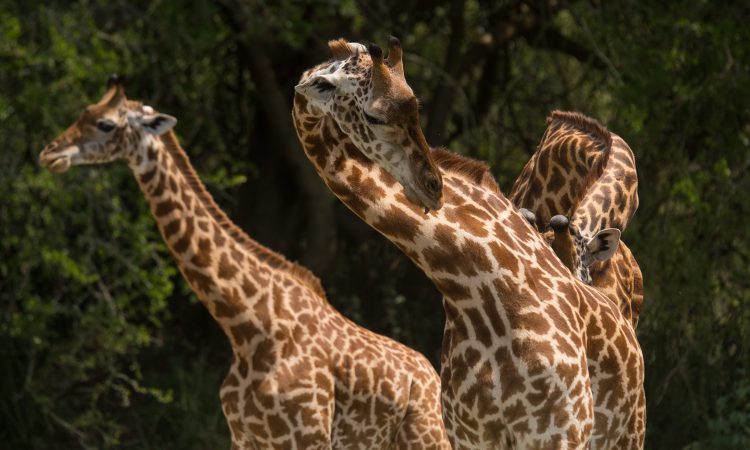
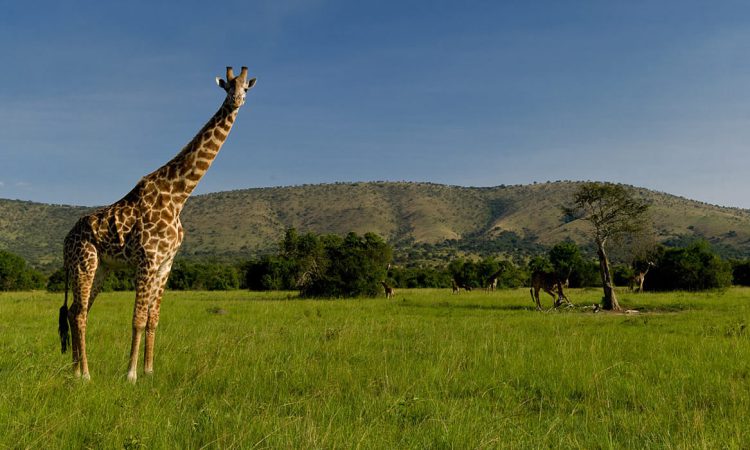
Tick the Big Five off your list in Rwanda, home to lions, leopards, African elephants, Cape buffaloes, and rhinos, alongside hippos, antelope, giraffes, spotted hyenas, and more. Rwanda also offers strong birdlife, including turacos, papyrus gonolek, hamerkop, white-tailed blue flycatcher, honeyguide, and sunbirds.
Akagera National Park brings lakes, rivers, landscapes, and aquatic wildlife together in one destination.
Inquire NowWhere to Go: Safari Destinations in Rwanda
Akagera National Park: located in eastern Rwanda, Akagera offers woodland, swampy vegetation, large water bodies, and a wide range of wildlife, including zebras, lions, giraffes, leopards, and warthogs. The park is also home to the shoebill stork, one of the most sought-after bird species in the world, found in only a few Ramsar sites globally. Akagera was established in 1934 and now covers over 1,122 sq. km.
Nyungwe National Park: Africa's largest Afro-montane forest and a primate stronghold, home to about 13 primate species, chimpanzees among them. Located in Rusizi district in eastern Rwanda near the Congo border, the park's headquarters at Uwinka sit about 220km, roughly a 4 hour drive, from Kigali. Gates open at 7am, with activities including the canopy walk, chimpanzee trekking, and birdwatching.
Inquire Now
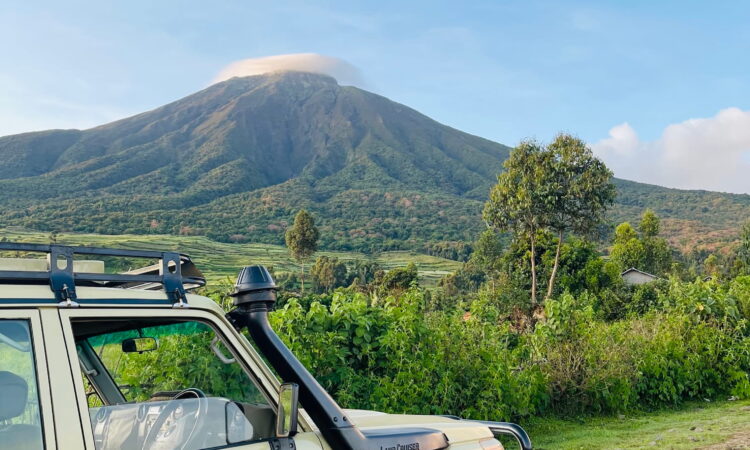
Volcanoes National Park: Rwanda's premier destination for mountain gorillas, with 13 habituated gorilla families and a resident population of golden monkeys. Based in Musanze town in the northwest, at the foot of the Virunga ranges, the park opens for activities from 7:00am, with no entry after 7:00pm. Activities here include birdwatching, gorilla trekking, golden monkey tracking, a Musanze Caves tour, cultural experiences, and mountain hiking.
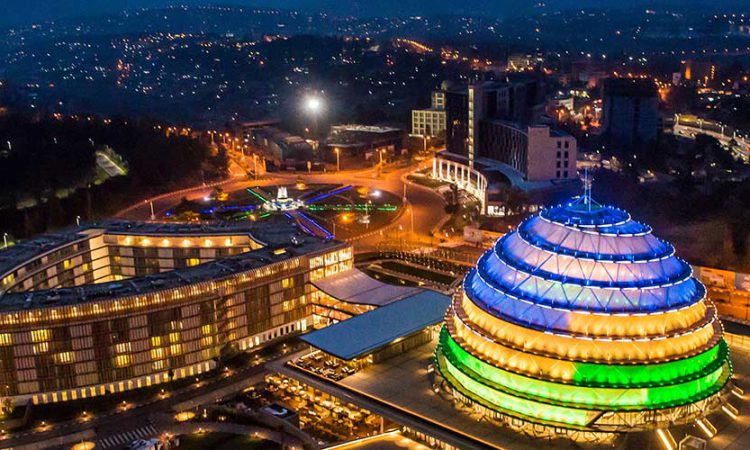
Kigali city and Nyanza King's Palace: two standout stops for cultural and historical context, including the story of the 1994 ethnic conflict between the Hutu and Tutsi in Kigali. Visitors can also explore local markets to see trade in action, alongside the Nyanza Palace and more, all while staying in comfortable accommodation and sampling local cuisine. Kigali's convention center is also worth a visit while in the city.
Inquire NowBest Time to Visit Rwanda for Safaris & Gorilla Trekking
Rwanda's safari destinations operate year-round, barring any government security advisories. Cultural centers, national parks, and religious sites are open throughout the week, with guides on hand for memorable tours.
Given Rwanda's weather patterns, the best and most reliable months for wildlife or gorilla safaris are June to September and December to early March. Budget travelers may prefer the wet months, March to May and October to November, when discounts are more common.
Inquire NowFacts About Gorilla Safaris in Rwanda
Gorilla trekking is one of Rwanda's leading tourism experiences, drawing thousands of visitors year-round. About 96 gorilla permits are available each day, with a maximum of 8 people trekking a single family. A few facts worth knowing:
Only those aged 15 and above, with a valid trekking permit, are allowed to trek gorillas. The hike itself can be demanding, through dense forest, thick bush, hills, and unpredictable weather, conditions younger children would struggle to handle.
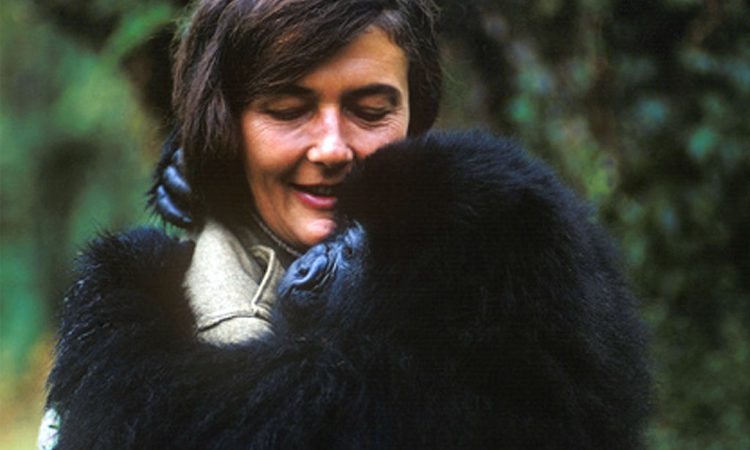
Rwanda was the first country to introduce the world to gorilla trekking, home to just one gorilla species, the mountain gorilla. Much of this is thanks to the late Dian Fossey, who researched, protected, and advocated for mountain gorillas until her murder in circumstances that remain unresolved. Before her work, little was known about these primates, often called humankind's closest relative for sharing over 98% of our DNA. She left behind a primate research center near the park, still open to visitors today.
Inquire NowGorilla Families & the Kwita Izina Ceremony
Gorilla trekking in Rwanda is only possible in Volcanoes National Park, in the country's northwest. Gates open at 7:00am for a pre-trekking briefing, followed by the trek itself, which can take 1 to 8 hours depending on how far the gorillas have moved and your trekking pace. Once you find the family, you get one hour to observe and photograph them as they play, feed, and interact.
Volcanoes National Park has about 13 habituated gorilla families open for trekking, including Umubano, Agashya, Bwenge, Karisimbi, Susa, Kwitonda, Amahoro, Muhoza, Ugyenda, Hirwa, and Sabyinyo, among others. Each family has its own character and is found in a different part of the forest, so it's worth learning a bit about each before your trek.
Beyond trekking itself, Rwanda hosts an annual gorilla naming ceremony called Kwita Izina every September, where you can support conservation by naming one of the young gorillas, for a fee.
Inquire NowWhen to Go Gorilla Trekking in Rwanda
You can go gorilla trekking in Rwanda any time of year, though June to September and December to March, with little to no rain, are generally the best months. The wetter months can still work well for budget travelers, and pair naturally with other activities such as chimpanzee trekking in Nyungwe National Park, game drives in Akagera National Park, golden monkey trekking, and cultural experiences.
Inquire NowBooking Gorilla Permits in Rwanda
Gorilla trekking in Rwanda runs year-round, so it's worth booking your permit a few months ahead through a licensed tour operator or directly with the Rwanda Development Board. Once your date is confirmed, your permit is issued, granting access to the gorillas in their natural habitat.
Permit fees are generally non-refundable, except in cases of illness or symptoms at the time of the pre-trekking briefing, where 50% of the fee can be refunded. It's best to book at least six months in advance, both for planning and to secure your preferred dates.
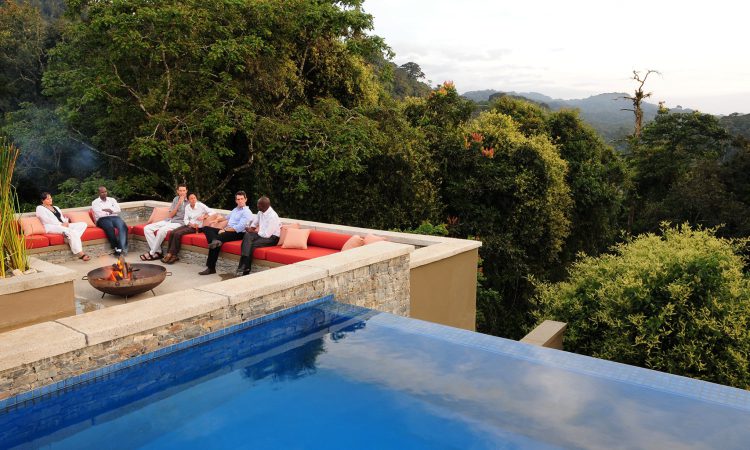
We recommend booking a lodge in or a few kilometers from the park headquarters, so you can make it to the briefing on time. Lodges are available across budget, midrange, and high-end categories, though demand runs high during peak season, so booking early matters.
Inquire NowCost of Rwanda Gorilla Safaris
A gorilla permit is required to access mountain gorillas in Volcanoes National Park. About 96 permits are issued each day, and given the high demand, it's best to reserve your slot at least three months ahead, either online or through a licensed tour operator.
Rwanda's gorilla permit fee is US$1,500 for foreign non-residents, US$500 for foreign residents, and US$200 for Rwandans and other East African citizens. A 30% discount applies to permits for visitors spending more than three nights on safari and exploring other destinations such as Nyungwe and Akagera National Parks. All proceeds from permit fees go toward conservation, ranger salaries, and community support.
If you miss your trekking date due to illness but still traveled to the destination, the Rwanda Development Board refunds 50% of the permit fee. No one showing signs of illness is permitted to trek. Permits are presented to the park warden at the pre-trekking briefing at 7:00am.
Inquire NowRwanda Gorilla Trekking Weather
Rwanda doesn't experience a true winter or summer, and temperatures shift gradually through the year. Generally, June to September and January to February are the drier months, though showers can still occur, while October to December and March to May are wetter.
Eastern Rwanda, home to Akagera National Park, tends to be warmer, favoring the region's mammal populations. The mountainous west, including the Virunga range, Nyungwe, and Gishwati-Mukura National Parks, is generally cooler, with daytime temperatures between 16 and 21 degrees Celsius, and slightly wetter conditions due to the forest cover and mountain ranges.
January to February tends to be drier, March to May brings long rains, June to August is dry, September is generally dry, and November to December brings short rains, though Nyungwe and Volcanoes National Parks can see rain regardless of season. Whatever the season, be prepared for the weather to shift.
Inquire NowRwanda Safari Clothing
Choosing the right outfit for a safari can be tricky, especially for a first-time visit to Africa. Base your choices on local weather and the activities you're planning. Chimpanzee, golden monkey, and gorilla trekking destinations call for warmer clothing, while wildlife park visits allow for lighter outfits.
As a general guide, pack:
- Gloves to protect your hands
- Long stockings for your legs
- Long trousers
- Long-sleeved shirt
- Smart, comfortable trousers
- Good hiking boots
- A hat or cap
How much you pack will also depend on the length of your stay.
Inquire NowHow Long Should Your Rwanda Gorilla Safari Be?
Rwanda offers so much that deciding on trip length can be difficult. What you want to see is the main factor to consider, across the country's four national parks, accessible by road or air.
The average drive time from Kigali is 4 to 5 hours, and since no destination requires a full day's travel, plan for about 2 nights and 3 days per single destination, or 5 days and 4 nights to combine two. Covering the best of Rwanda's culture, national parks, and city life takes about 8 days.
Gorilla trekking itself is a full day activity, but it's worth reserving at least a 2 day gorilla trekking safari. Book your trip at least six months in advance for proper planning and the best choice of lodges.
Inquire NowPlan Your Rwanda Safari
Rwanda's thousand hills are ready for your visit. Explore mountain gorillas in the tropical forests of the Virunga mountain chain, the Big Five in one of Rwanda's largest savannah parks, chimpanzees, and more.
As an in-demand destination, book your Rwanda safari at least six months in advance. As you travel, take time to respect local culture, religion, and cuisine. English will get you by, but learning a few Kinyarwanda words along the way is always a nice touch.
Inquire Now