Wildlife Safaris in Uganda
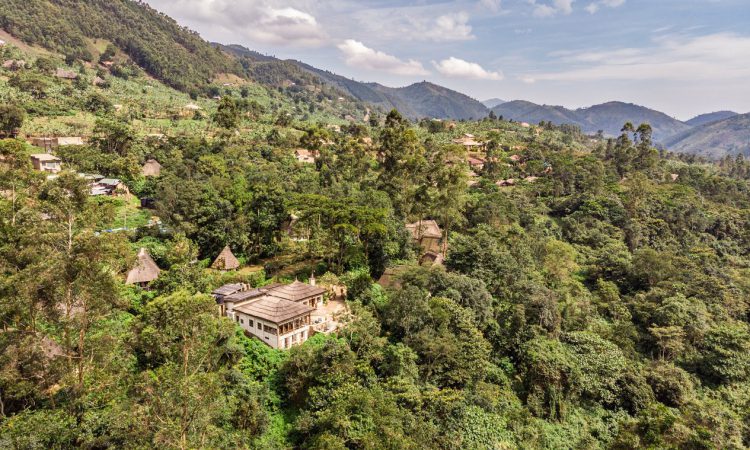
Uganda is a leading wildlife safari destination in Africa, with a range of ecosystems that includes dense jungles, wetlands, mountains, and vast savannah grasslands. Uganda's natural habitats offer a wide array of flora and fauna, making the country a must-visit destination for nature enthusiasts and adventurers.
Uganda is home to over 1,000 species of birds, at least 345 species of mammals, over 140 species of reptiles, and over 1,249 species of butterflies, among others. Visitors on Uganda safaris can explore 10 national parks and 12 wildlife reserves, each with distinct physical features and wildlife viewing opportunities.
The renowned national parks where visitors conduct wildlife safaris include Kidepo Valley National Park, Queen Elizabeth National Park, Murchison Falls National Park, Bwindi Impenetrable National Park, Kibale National Park, Semuliki National Park, Mount Elgon National Park, and Rwenzori Mountains National Park.
Wildlife reserves include Katonga Wildlife Reserve, Pian Upe Wildlife Reserve, Kabwoya Wildlife Reserve, Ajai Wildlife Reserve, Karuma Wildlife Reserve, Bugungu Wildlife Reserve, Kyambura Game Reserve, Kigezi Wildlife Reserve, Toro-Semuliki Wildlife Reserve, Matheniko Wildlife Reserve, East Madi Wildlife Reserve, and Bokora Corridor Wildlife Reserve.
Inquire Now

Key Wildlife Species in Uganda's Parks
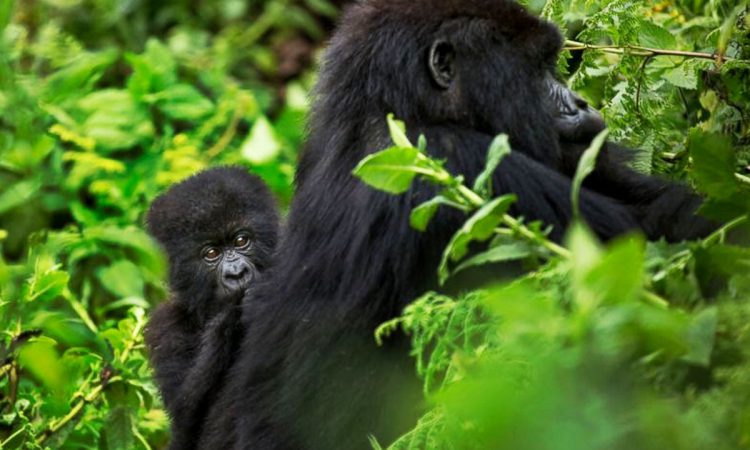
Mountain gorillas (Gorilla beringei beringei): found in Bwindi Impenetrable National Park and Mgahinga Gorilla National Park in southwestern Uganda. With about 1,004 mountain gorillas left in the world, Uganda holds about half of the total population across these two sites, with at least 18 habituated gorilla families for tracking.
Chimpanzees (Pan troglodytes): Uganda has at least 5,000 chimpanzees, with about 1,500 in Kibale National Park. Other sites include Budongo Forest Reserve, Kyambura Gorge, Semuliki National Park, Bugoma Central Forest Reserve, and Bwindi Impenetrable National Park.
Lions (Panthera leo): with at least 350 individuals left in Uganda, lions are found in Queen Elizabeth National Park, Kidepo Valley National Park, and Murchison Falls National Park. The Ishasha sector in Queen Elizabeth is known for its tree-climbing lions, with over 30 individuals in the area.
Elephants (Loxodonta africana and Loxodonta cyclotis): Uganda has approximately 5,000 elephants, divided into forest and savannah elephants, found across Bwindi, Mgahinga, Kibale, Murchison Falls, Queen Elizabeth, Mount Elgon, Kidepo Valley, and Semuliki National Parks.
Buffaloes (Syncerus caffer caffer): also known as the Cape buffalo, with about 44,000 individuals in Queen Elizabeth, Murchison Falls, Bwindi, Semuliki, and Kidepo Valley National Parks.
Leopards (Panthera pardus pardus): elusive cats found in both forested and savannah ecosystems, including Queen Elizabeth, Lake Mburo, Semuliki, Kidepo Valley, and Murchison Falls National Parks.
Inquire NowMore Wildlife Species to Encounter
Rhinoceros (Ceratotherium simum simum): Uganda's eastern black rhino and northern white rhino faced local extinction by the 1980s. Today, southern white rhinos are found only at Ziwa Rhino Sanctuary, where at least 35 individuals can be tracked.
Cheetahs (Acinonyx jubatus raineyi), also known as the East African cheetah, number at least 50 in Uganda, found only in the Karamoja subregion, particularly in Kidepo Valley National Park.
Hippopotamuses (Hippopotamus amphibius): semi-aquatic herbivores found in Murchison Falls, Queen Elizabeth, Lake Mburo, and Semuliki National Parks, best observed on boat cruises.
Nile crocodiles (Crocodylus niloticus): found in lakes, rivers, and swamps across Murchison Falls, Queen Elizabeth, Lake Mburo, and Semuliki National Parks.
Golden monkeys (Cercopithecus mitis kandti): with at least 2,000 of these endemic primates in the Virunga region, Uganda is one of the best places for golden monkey tracking, particularly in Mgahinga Gorilla National Park.
Other wildlife species found in Uganda's parks include antelopes, hyenas, wild dogs, jackals, caracals, nightjars, black and white colobus monkeys, olive baboons, warthogs, bush pigs, and serval cats, among others.
Inquire Now
Where to See Lions, Cheetahs & Leopards in Uganda
Where to see lions: In Queen Elizabeth National Park, lions can be spotted in the Ishasha sector, known for its tree-climbing lions. In Murchison Falls National Park, lions are found in the park's northern sector. These big cats can also be seen in Kidepo Valley National Park.
Where to see cheetahs: In Uganda, cheetahs can only be found in Kidepo Valley National Park, where the vast plains give them the space to hunt prey such as antelopes and rodents.
Where to see leopards: Leopards can be found in Queen Elizabeth National Park, often in the Mweya Peninsula and the Ishasha sector. In Lake Mburo National Park, they can be sighted across the park's plains. In Murchison Falls National Park, leopards can be sighted along the Buligi and Albert tracks.
Inquire NowDay and Night Game Drives in Uganda's National Parks
Visitors on Uganda wildlife safaris are most likely to experience a game drive in the savannah national parks and wildlife reserves, offering both day and night wildlife viewing.
Day game drives include morning and afternoon drives. Morning drives often start around 6 a.m., giving visitors the chance to spot animals at their most active. Afternoon drives usually start between 3 p.m. and 4 p.m. Day game drives can be enjoyed in Queen Elizabeth National Park, Murchison Falls National Park, Kidepo Valley National Park, Lake Mburo National Park, Semuliki National Park, and others, with sightings of bushbucks, waterbucks, giraffes, elephants, hartebeests, Uganda kob, buffaloes, oribi, impalas, zebras, ostriches, cheetahs, and lions.
Day game drives usually cost between US$20 and US$30 for foreign non-residents, US$15 to US$25 for foreign residents, and UGX 20,000 to UGX 30,000 for East African citizens.
Inquire Now
Night game drives are generally conducted after dusk and offer the chance to encounter nocturnal species such as leopards, lions, hyenas, honey badgers, white-tailed mongoose, bush babies, jackals, and nightjars. Night game drives are best done in Lake Mburo National Park, Murchison Falls National Park, and Kidepo Valley National Park.
The cost of night game drives ranges from US$30 to US$40 for foreign non-residents, US$15 to US$35 for foreign residents, and UGX 40,000 to UGX 50,000 for East African citizens.
Inquire NowBest Wildlife Trails in Uganda
Tourists on Uganda wildlife safaris get the best opportunity to enjoy game drives in the savannah national parks and wildlife reserves, spotting a wide variety of mammals and bird species along the way, alongside views of hills, escarpments, grasslands, and woodlands. Game drives are guided by experienced tour guides on safari vehicles that follow specific tracks within each park or reserve. The best destinations for game drives are Murchison Falls National Park, Queen Elizabeth National Park, Lake Mburo National Park, and Kidepo Valley National Park.
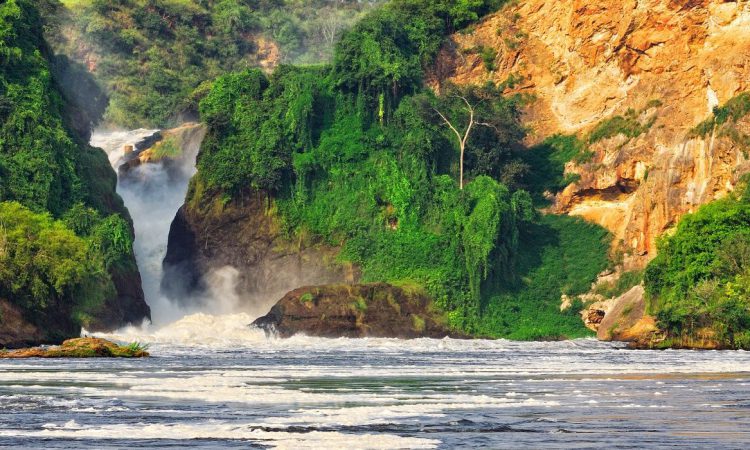
Buligi Trail: a 160-kilometer track near Paraa Safari Lodge in Murchison Falls National Park, offering clear views of giraffes, elephants, lions, buffaloes, and antelopes, along with the savannah landscape and acacia trees. Visitors can also observe where the Albert Nile and Victoria Nile converge.
Kasenyi Sector Trail: found in Queen Elizabeth National Park and popular for lion sightings and large numbers of Uganda kob. Visitors can spot any of the three lion prides between Mweya and the Kasenyi plains, and can also visit the fishing village of Kasenyi along the western shore of Lake George.
Kazinga Channel Trail: a waterway about 32 kilometers long linking Lake Edward to Lake George. On a boat cruise along the channel, visitors can view hippopotamuses, Nile crocodiles, and a wide range of bird species, including the African fish eagle.
Inquire Now
Albert Trail: an 11-kilometer track in Murchison Falls National Park that runs parallel to the Albert Nile, offering a strong chance of encountering wildlife gathered along the riverbanks, along with distant views of the Democratic Republic of Congo. This trail also links the Pakuba and Buligi trails.
Kazuma Trail: in Lake Mburo National Park, offers panoramic views and the chance to spot zebras, elands, and impalas on a guided game drive.
Impala Trail: a 10 to 12 kilometer trail in Lake Mburo National Park with strong sightings of impalas and other antelope species, along with views of Lake Mburo and the surrounding hills. It can also be explored on a hiking tour.
Zebra Trail: a 4 to 5 kilometer trail in Lake Mburo National Park known for sightings of zebras, impalas, and topi, with views across the park's open plains.
Janet Trail: a 3 to 4 kilometer trail in Murchison Falls National Park offering a calmer game viewing experience, as it is often less crowded.
Other trails include the Victoria, T'ebito, Chobe, Pakuba, and Honeymoon Trails in Murchison Falls National Park, as well as the Queens Trail and Mweya Peninsula Trail in Queen Elizabeth National Park.
Inquire NowGorilla & Chimpanzee Tracking Tours
Gorilla tracking tours: enjoyed in Bwindi Impenetrable National Park and Mgahinga Gorilla National Park. A group of up to eight visitors is guided into the forest by experienced trackers to locate a specific gorilla family, with up to one hour allowed in their presence to observe behavior and take photos. Along the trails, hikers may also encounter the Rwenzori turaco, Rwenzori batis, forest elephants, Cape buffaloes, and monkeys. A gorilla permit costs US$800 for foreign non-residents, US$700 for foreign residents, and UGX 300,000 for East African citizens.
Chimpanzee tracking tours: mainly done in Kibale National Park, with other sites including Budongo Forest Reserve, Kalinzu Central Forest Reserve, and Kyambura Gorge. Visitors are guided on a hike to locate a habituated chimpanzee group, with up to an hour allowed in their presence. Other primates spotted along the way include black and white colobus monkeys, red colobus monkeys, vervet monkeys, grey-cheeked mangabeys, and olive baboons. A chimp permit in Kibale costs US$250 for foreign non-residents, US$200 for foreign residents, and UGX 150,000 for East African citizens.
Inquire NowBirdwatching & Golden Monkey Tracking
Birdwatching excursions: Uganda offers birders the chance to spot a wide range of colorful species across its national parks and game reserves, including the shoebill stork, grey crowned crane, African fish eagle, long-crested eagle, secretary bird, African finfoot, Abyssinian ground hornbill, marabou stork, and Goliath heron. The best places for birdwatching include Queen Elizabeth, Murchison Falls, Lake Mburo, and Kibale National Parks. Excursions cost US$30 for foreign non-residents, US$25 for foreign residents, and UGX 20,000 for East African citizens.
Golden monkey tracking tours: a vigorous hiking adventure to locate the primates in the forests of Mgahinga Gorilla National Park. Visitors are guided along specific trails, then given up to an hour in the monkeys' presence to observe and photograph them. A permit costs US$60 for foreign non-residents, US$50 for foreign residents, and UGX 40,000 for East African citizens.
Inquire NowNature Walks, Cultural Encounters & Mountain Hiking
Guided nature walks: let visitors spot wildlife and bird species on foot while getting a closer look at the flora and landscapes, with some walks leading to encounters with local communities. Nature walks can be enjoyed in Murchison Falls, Queen Elizabeth, Lake Mburo, Semuliki, Kidepo Valley, Rwenzori Mountains, Bwindi Impenetrable, and Mgahinga Gorilla National Parks, either by day or night. Costs range from US$5 to US$50 for foreign non-residents, US$5 to US$40 for foreign residents, and UGX 2,000 to UGX 20,000 for East African citizens.
Cultural encounters: explore communities near the parks to experience local ways of life, including hunting, basket weaving, pottery, storytelling, music, dance, and drama. Key communities include the Batwa around Bwindi and Mgahinga, the Batooro and Bakiga around Kibale, the Banyankole around Lake Mburo, and the Karamojong around Kidepo Valley. The Batwa experience in Semuliki National Park costs US$10 for foreign tourists and UGX 10,000 for East African citizens.
Mountain hiking adventures: take visitors across varied landscapes to reach mountain peaks, usually as part of a multi-day trek. Destinations include Mount Rwenzori, Kidepo Valley National Park, Mount Elgon, and Mgahinga volcano climbing. Costs range from US$40 to US$80 for foreign residents and non-residents, and UGX 50,000 to UGX 55,000 for East African citizens.
Inquire NowBest Time for Wildlife Safaris in Uganda
The best time for Uganda wildlife safaris is during the dry seasons, from December to February and June to September. The dry season offers the best wildlife viewing, as animals gather around water sources, and provides good conditions for game drives and gorilla or chimp trekking.
Park trails are also drier and easier to navigate during this period. Overall, visiting Uganda's parks in the dry season means easier access, better visibility, and more predictable animal behavior around limited water sources.
Inquire NowProper Clothing for Wildlife Safaris in Uganda
To have the best experience on your Uganda safari, pack the following:
- Clothing in neutral colors such as khaki, beige, brown, and green to blend in with the natural surroundings. Bright colors can startle wildlife and cause them to flee, while dark colors can attract insects such as tsetse flies.
- Lightweight, breathable fabrics for comfort in Uganda's warm weather.
- Long-sleeved shirts or blouses and long pants to protect against insect bites and sun exposure.
- A wide-brimmed hat and sunglasses to protect against the equatorial sun, which can cause sunburn on the face, neck, and ears. The hat also helps keep you cooler, while sunglasses cut down on glare.
- Comfortable footwear, especially sturdy hiking shoes with good traction, for walking adventures.
- Warm layers such as a light jacket or fleece for cool mornings and evenings.
- Rain gear such as a rain jacket, raincoat, or poncho. Uganda's tropical climate means showers can be unpredictable, so it's worth carrying rain gear at all times.
Inquire Now