Tanzania Safaris & Tours
Tanzania is the largest country in East Africa and one of the continent's top wildlife destinations, home to the largest concentration of animals per square mile in the world, including the Big Five: lions, leopards, elephants, buffaloes, and rhinos. English and Swahili are the two most commonly spoken languages.
Tanzania lies south of the equator and gained independence in 1964. It borders Kenya to the northeast, Malawi and Mozambique to the south, Uganda to the northwest, the Indian Ocean to the east, Rwanda and Burundi to the west, and Zambia to the southwest, with Mount Kilimanjaro, the tallest freestanding mountain in the world, in the north.
About 40% of Tanzania's land is made up of lakes, rivers, forest cover, swamps, and mountains, drawing researchers, tourists, and students from within the country and beyond.
Inquire NowWhat to See in Tanzania on Safari
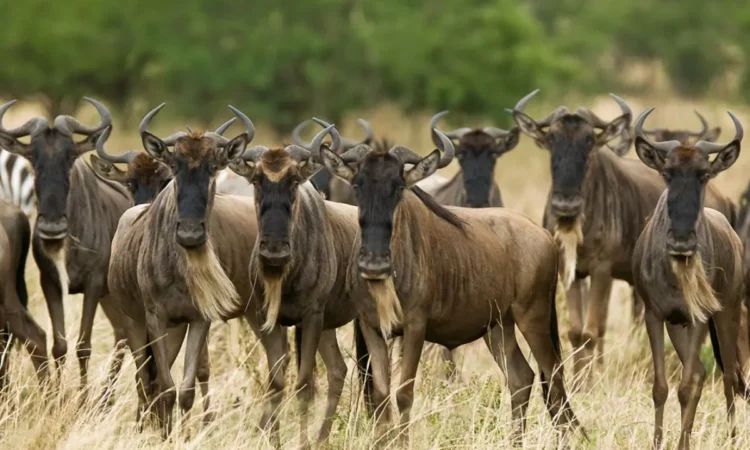
Annual wildebeest migration: this natural phenomenon takes place only in Africa, between the Serengeti and Masai Mara corridors, and is the largest animal movement on land each year. In the first months of the year, the herds calve and gather on the Serengeti plains. By mid-year, the journey to Masai Mara National Reserve begins, including crossings of the Mara River, home to crocodiles and hippos.
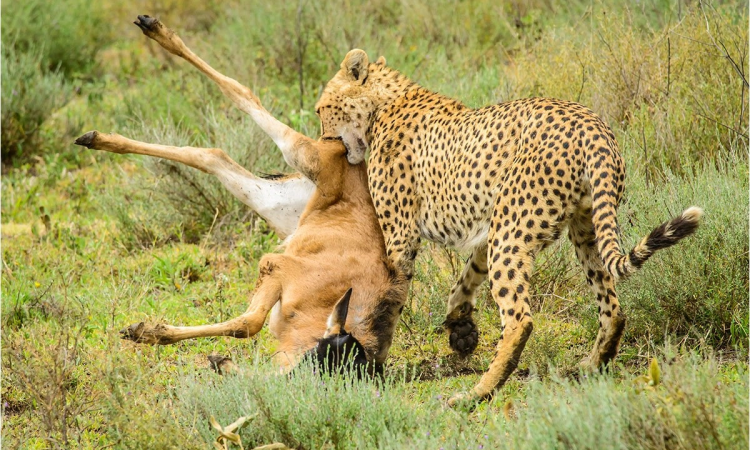
Many animals do not survive the crossing, but those that do continue on to fresh pasture and water. The migration features over 2 million wildebeest, alongside thousands of zebras, impalas, and other herbivores, across a stretch of more than 3,000 km. With an expert ranger guide, visitors can learn about animal behavior along the route, and may witness a kill by a lion, leopard, or cheetah.
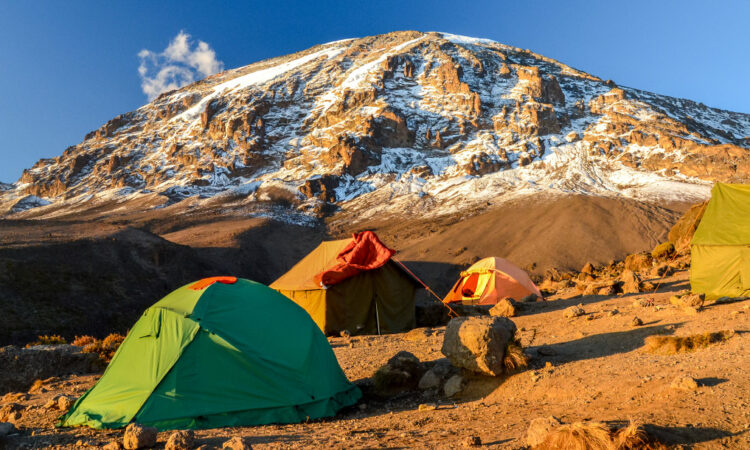
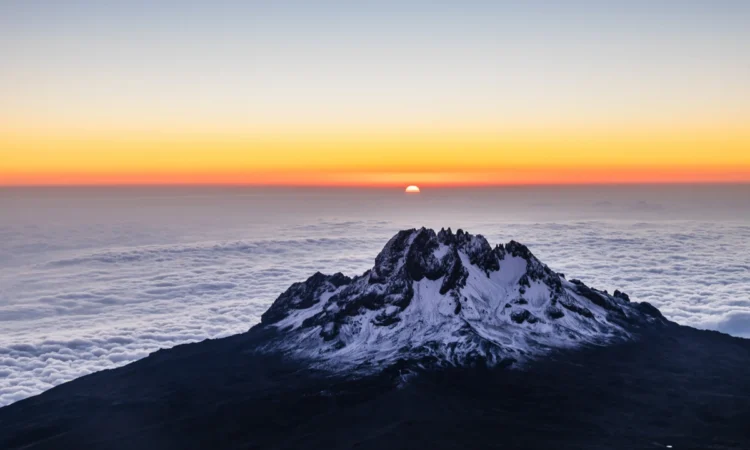
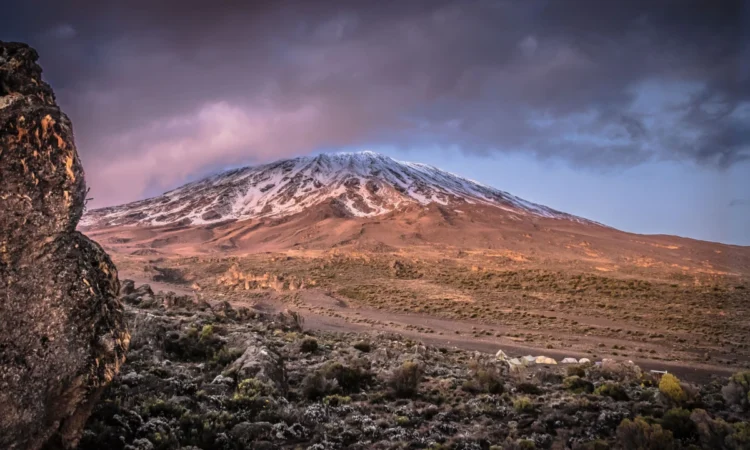
Inquire NowMountains: exploring Tanzania's mountains takes a sense of adventure. Options include Mount Kilimanjaro at 5,895m, Mount Meru at 4,565m, Mount Hanang at 3,417m, Ol Doinyo Lengai, and more. A hike to the snow-capped summit of Mount Kilimanjaro, the tallest freestanding mountain in the world, is one of the most rewarding treks on the continent, with a high success rate for those who complete it. Plan for an 8 to 9 day trek to the peak, and consider combining it with other destinations in the region.
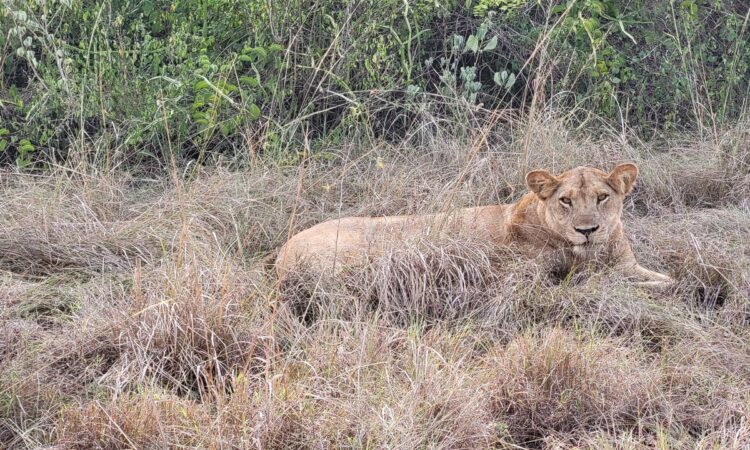
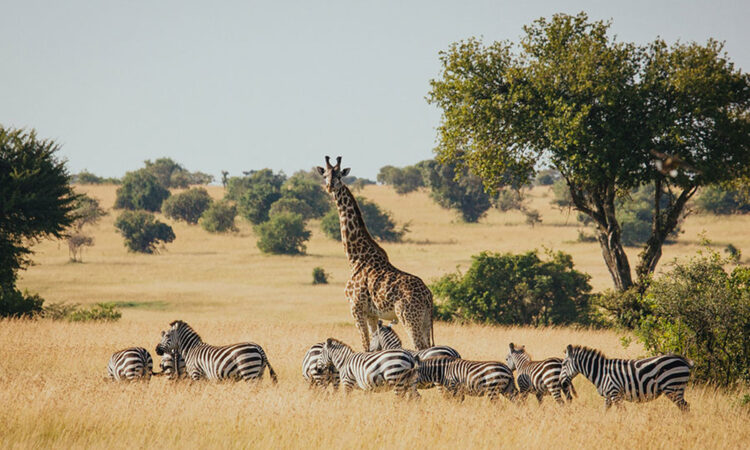
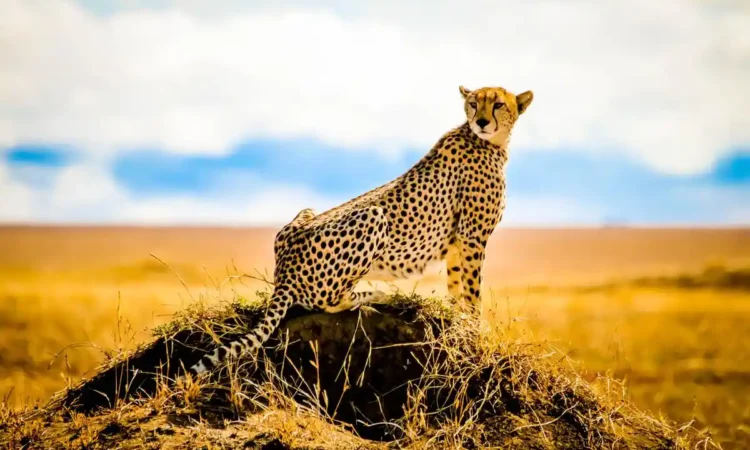
Wildlife: Tanzania is home to a wide range of wildlife species, drawing researchers, photographers, and videographers to capture its natural attractions. Visitors can expect close encounters with zebras, giraffes, lions, rhinos, Cape buffaloes, gazelles, various antelope species, cheetahs, wildebeest, hyenas, mongoose, wild dogs, jackals, leopards, hippos, crocodiles, several primate species, ostriches, flamingos, guineafowl, grey crowned cranes, chimpanzees, and more.
Inquire Now

Cultures of Tanzania
Dancing to the African drumbeat is a highlight for many visitors, especially in the heart of Tanzania, where many communities still hold to the ways of their forefathers, reflected in their beliefs, songs, dress, homesteads, and food.
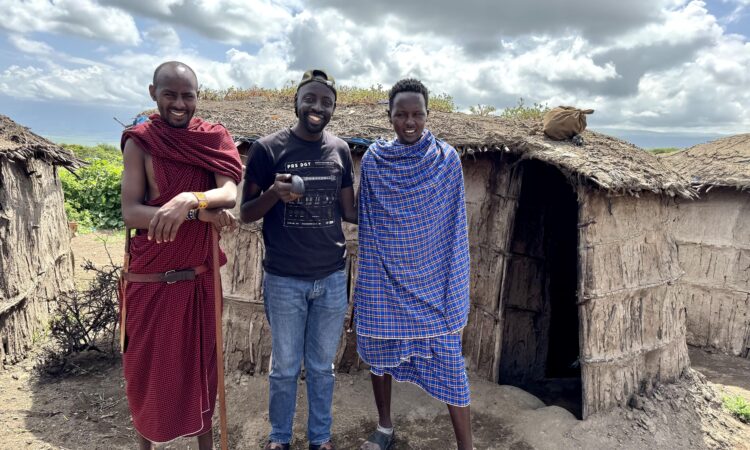
Among the communities worth visiting are the Masai warriors, who live at the boundaries of Serengeti and Ngorongoro National Parks. The Masai have long built their identity around herds of cattle and will do whatever it takes to protect them. Visitors can experience their cultural dances, community walks, storytelling, and a tour of the animal kraals.
Inquire NowWhere to Go: Safari Destinations in Tanzania
Northern safari circuit: home to Tanzania's most famous destinations, and the most visited circuit, rich in flora and fauna. The region has strong road networks, airstrips, and high-end safari camps. Travel by road takes you through African homesteads, plantations, busy towns, and Rift Valley escarpments.
Places to visit in the northern circuit include:
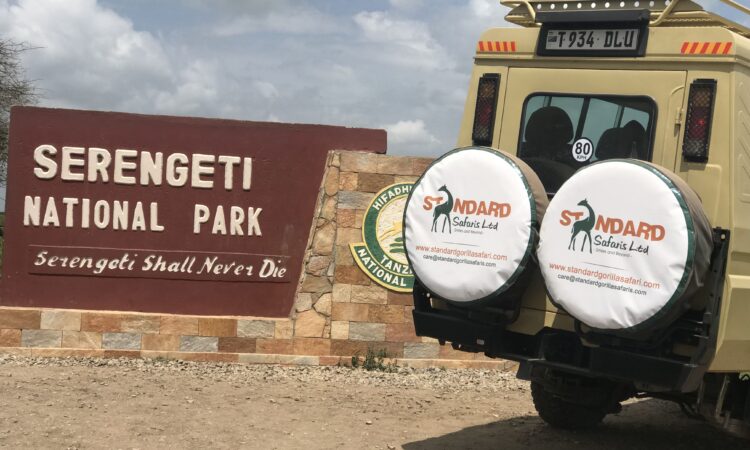
Serengeti National Park: home to the annual wildebeest migration and the Big Five, and one of the largest national parks in Africa.
Lake Manyara and Tarangire National Parks: Lake Manyara is known for its tree-climbing lions and a large concentration of African elephants, while Tarangire, the closest park to Arusha city, is also a site for the annual wildebeest migration.
Ngorongoro Conservation Area: home to a large population of predators and the Ngorongoro Crater, one of the largest calderas in the world. Nearby, Arusha National Park suits visitors short on time who still want to hike or view wildlife, while the Rift Valley lakes of Eyasi and Natron support large flamingo populations and other bird species.
Inquire Now
Mount Kilimanjaro: the tallest freestanding mountain in the world, with snow-capped peaks.
The Masai villages: the Masai warriors are one of the most distinctive cultural groups in the north, renowned herdsmen whose wealth and way of life center on cattle.
Exploring the parks of the northern circuit takes at least 4 days, with a range of accommodation options for a comfortable stay. The best months to visit are June to October and December to March, the peak season, with low or no rainfall for smoother, more enjoyable touring. Trips to the northern circuit typically start from Arusha city or Kilimanjaro International Airport.
Inquire NowSouthern Safari Circuit
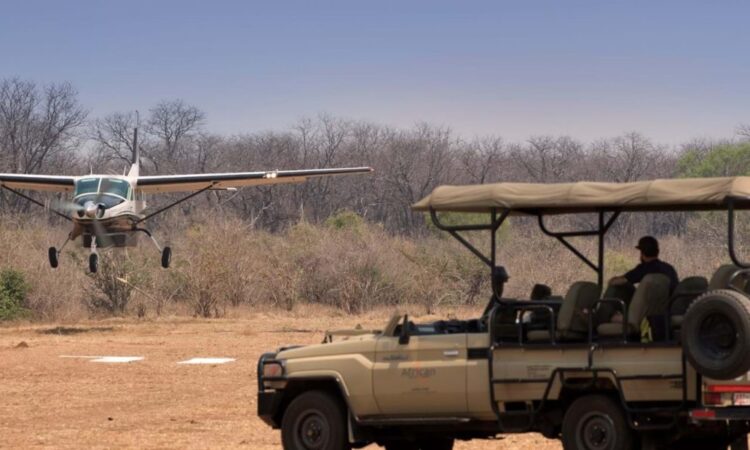
The main gateway to the southern circuit is Dar es Salaam, Tanzania's largest coastal city and busiest urban center. Visitors land at Julius Nyerere International Airport before connecting to the parks by chartered aircraft or road. This region sits closer to the coast than the other circuits.
Selous Game Reserve: the largest game reserve in the world, known for its large population of wild dogs and endangered black rhinos. The reserve's mix of riverine forest, wooded grassland, and thickets supports a large concentration of wildlife.
Ruaha National Park: the largest national park in East Africa at about 20,226 sq. km, home to around 10% of the region's lion population and a large elephant population. The park can be reached by air from Dar es Salaam or by a 2 to 3 hour scenic drive from Iringa town, with the Jongomeru and Msembe airstrips serving the park. It's a calm, safe destination for an uninterrupted safari.
Mikumi National Park: the fourth-largest savannah park in Tanzania, known for its acacia trees and populations of hippos, elephants, wildebeest, giraffes, and zebras. Improved roads from Dar es Salaam have made it easier for travelers to reach.
Inquire Now
Coastal Circuit
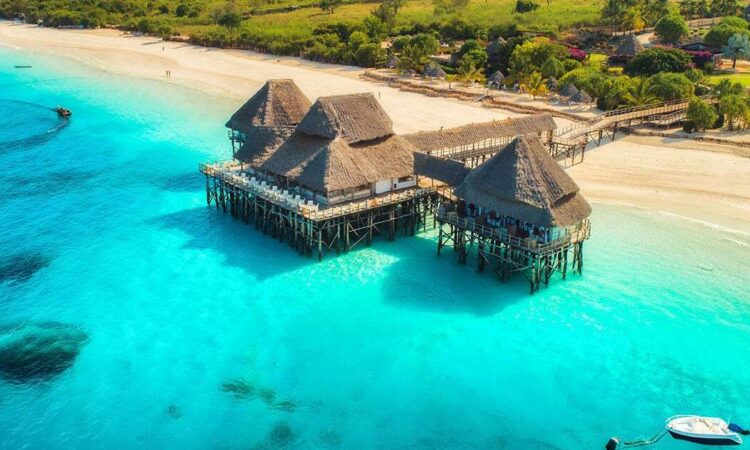
Tanzania's coastline stretches along the Indian Ocean, offering a coastal experience unmatched elsewhere on the continent. Zanzibar Island, once used for the slave trade and spice plantations, drew British and Arab traders who built up the island for business over the years.
Today, the island is both a place to relax and a place to explore its history. It can only be reached by air or water. Activities along the coast include exploring coral reefs, dolphin tours, swimming, spice plantation tours, and beach life, with June to October the best time to visit.
Inquire NowWestern Safari Circuit
For the western circuit, fly into Kilimanjaro International Airport in Arusha or Julius Nyerere International Airport in Dar es Salaam, with the region's attractions easily reached by air from either. Travel by water is also possible from Kigoma town, which can itself be reached from Dar es Salaam or by train from Arusha.
This region suits primate lovers hoping to see chimpanzees up close, with occasional sightings of roan and sable antelope, hippos, giraffes, elephants, zebras, and other antelope species. Notable destinations include Katavi National Park, Gombe Stream, and Mahale Mountains, sites for some of the region's major chimpanzee research.
Over 800 chimpanzees call Mahale National Park home, alongside red-tailed monkeys, blue monkeys, and colobus monkeys. Katavi National Park sees fewer visitors due to its remote location but is home to zebras, buffaloes, cheetahs, wildebeest, hyenas, and antelope, among others. Gombe Stream covers about 13 sq. km on the eastern shore of Lake Tanganyika, the smallest park in the country, with a number of habituated chimpanzees and baboons. The best time to visit this region is February to April and June to October.
Inquire Now
Best Time to Visit Tanzania
Tanzania is an all-year-round destination, with tours possible any day of the week, generally from 6am to 7pm or later for those interested in night activities. Bird lovers should plan around the wet months, when migratory birds arrive alongside lush greenery.
June to October and December to February are peak tourism season, drawing many visitors hoping to encounter their preferred wildlife. This is also an ideal window for tracking the wildebeest as they move toward Masai Mara National Reserve in Kenya. For the calving season, January is the best month to visit.
Inquire NowFacts About Tanzania Safaris
Tanzania safaris are safe and memorable. As one of the continent's top destinations, demand is high, so it's worth booking at least six months in advance. Tanzania is one of the fastest-growing low-income countries in the world, but it remains rich in wildlife, culture, and hospitality.
About a quarter of the country's land is made up of water bodies, mountains, and forest. Tanzania has over 30 national parks and a rich heritage that shapes the country's story.
Research shows Tanzania has one of the highest concentrations of animals per square kilometer anywhere in the world. Strong security and modern infrastructure make it a comfortable destination for solo travelers and groups alike, with plenty of accommodation options in and around its cities. Most trips start from either Kilimanjaro International Airport or Dar es Salaam.
The northern safari circuit is the most visited, thanks to its well-known attractions: Serengeti National Park and its annual wildebeest migration, the Ngorongoro Crater and its caldera, Lake Manyara National Park and its tree-climbing lions, Mount Kilimanjaro, the tallest freestanding mountain on earth, and the Masai warriors, who offer a memorable village experience.
Inquire Now
Cost of Tanzania Safaris
The cost of a Tanzania safari depends on a number of factors, including the length of your stay, choice of accommodation, transportation, activities, destinations, and the time of year you travel.
June to October is peak season, so costs run higher than in the low season months of October, November, and March to May.
A budget safari includes budget lodges, basic meals, and a select range of wildlife viewing destinations. A luxury safari offers premium accommodation, stops at exclusive destinations, a wide range of cuisine, high-end services, and comfortable transportation. A midrange safari falls between the two, with mid-tier accommodation, good food, a solid safari experience, and comfortable transport. Generally, longer trips and more comfortable lodging both add to the cost. It's worth comparing prices online for the best offers, though Standard Safaris will offer competitive rates.
Inquire NowTanzania Safari Weather
Tanzania has warm weather year-round, among the best in the region, with a tropical savannah climate split into wet and dry seasons. The long rains run from mid-March to early June, with temperatures ranging from 18 to 29 degrees Celsius. The remaining months are relatively dry, though rain can still fall during the dry season, just as sunny days occur during the wet months.
Peak safari season falls during the dry months of June to October. The heat during this time is generally comfortable rather than intense, so activities can continue as planned regardless of the day's weather.
Inquire NowTanzania Safari Clothing
What you pack depends on how long you're staying, the activities planned, and the places you'll explore. In general, pack the following:
- Gloves to protect your hands from thorns
- A hat to protect your head
- Long stockings to cover your legs
- Warm clothing for cool mornings and evenings
- Waterproof coat
- Trousers and shirts
- Good hiking boots
- Binoculars for watching distant animals
- Professional camera for photography
Inquire NowHow Long Should a Tanzania Safari Be?
The length of your safari depends on your schedule and available vacation time, but the longer your stay in Tanzania, the more you'll uncover of its attractions and culture. On average, 7 to 10 days is a good length, giving you time to visit more than one national park, meet local communities, and build your own Tanzania story.
However long you choose to stay, and wherever the trip takes you, make the most of it. The wilderness feels closer with each passing day, filled with moments worth remembering. If you want to hike to the summit of the tallest freestanding mountain on earth, plan for 10 days or more and combine it with other destinations in the north. Following the annual wildebeest migration properly, including the crossing of the Mara River, takes over 20 days.
Inquire NowPlan Your Tanzania Safari
Whether you want to meet local communities, spot lions and other wildlife, go birding, see primates, hike its mountains, explore its lakes and rivers, or sample its cuisine, Tanzania has it all. With strong hospitality, rich wildlife, distinct cultures, and memorable scenery, it's a country worth experiencing on safari at least once.
Inquire Now