
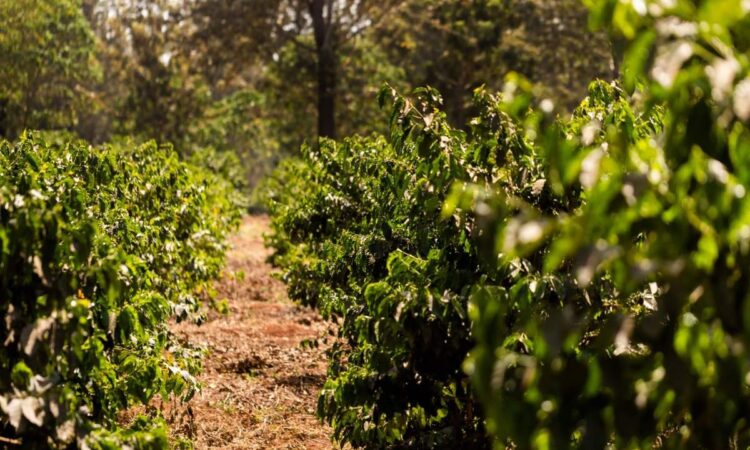
With Standard Safaris, you will have an enchanting tour experience of the coffee plantations in the Sipi region, eastern Uganda. The coffee plantations tour is an exciting adventure to encounter the local coffee farmers in their coffee farms. These will enlighten you about the various processes of planting Arabica coffee in their carefully nurtured nursery beds. Harvesting and drying of the Arabica coffee beans is also done and you will witness this process. The process also involves hulling and roasting the beans in the fireplace. The coffee is then ground and brewed and will savor and consume the hot coffee beverage.
Additionally, you can buy the coffee to support locally produced coffee, thus enhancing their income. The coffee plantations tour in the Sipi region is also an important time to gain insight into the lives of the indigenous people and how coffee growing has impacted their lives. Coffee is considered an important fruit for helping the locals who consume it to have a lot of energy for work. In addition, coffee helps the consumer not lose appetite. Other locals claim that coffee keeps their homesteads secure. The guided coffee tour takes around 3-4 hours and costs USD 15 which may change any time.
Reaching the Sipi region for a coffee plantation tour
The Sipi region can only be accessed using road transportation from Kampala, Uganda’s capital via Jinja and Mbale to Kapchorwa. The road distance is about 290 kilometers north-eastwards from Kampala. The time taken on a scenic drive to the destination is 4.5 to 6 hours. A reputable tour company like Standard Safaris can organize transportation. We offer car hire services in addition to experienced driver guides who can enhance your travel experience. You can choose from our vehicles, including 4-wheel safari saloon cars, and drones.
The best time for a coffee plantation tour in the Sipi region.
You can travel to the Sipi region for a tour of coffee plantations throughout the year. But, if you want to have the experience during warm and dry weather conditions, the dry season is the best time to plan your tour. During this time, average humidity is low, the rains are minimal and temperatures are warmer. These provide favorable conditions for seamless outdoor activities like hiking, and a coffee plantation tour. The dry season is experienced twice annually, from December to February and June to August. However, coffee bean harvesting is in June, October, November, and December.
Other activities at the Sipi region
Hiking tours
These hikes offer visitors an opportunity to ascend the Sipi Falls on various trails for perfect views of Mount Elgon and Karamoja plains. You can also take excellent shots of the greenery and waterfalls nearby.
Birding tours
While on a hiking adventure at Sipi Falls, you will encounter a variety of bird species. These include the common bulbul, black-collared apalis, African blue flycatcher, and the Jackson’s francolin.
Sipi Falls tour
This tour offers the unique adventure of hiking the 3 waterfalls Sipi, Ngasire, and Simba Falls, all at varying altitudes and water volumes.
Village tour
A village tour helps visitors encounter lovely and accommodating people living adjacent to the Sipi region. These are primarily comprised of the Bagisu and Sabiny. You will intimately interact with them as they offer in-depth knowledge about their lives, cultures, and practices.
Cave exploration
This occurs as you hike on certain routes near the Sipi Falls. This is the best chance of witnessing some aspects of the rich history of the indigenous people through paintings. The caves are also a testament to how the people have preserved the creative efforts of their ancestors.
What to bring for the coffee plantation tour in the Sipi region
A successful coffee plantations tour in the Sipi region requires a visitor to carry the following items,
- Warm sweater since the Sipi region is a high-altitude area whose average temperatures can fall to the -teens, especially at night
- Raincoat or poncho to keep yourself dry in case it rains
- Lightweight long-sleeved shirt and trousers for comfort while hiking under the intense heat of the day
- Safari hat or cap to offer shade for your head, neck, and ears during a warm sunshiny day
- Comfortable walking shoes with good traction
- Refillable water bottle for drinking water
- Suncream to protect your delicate skin from UV rays from the sun
- Sunglasses to protect your gentle eyes from UV rays from the sunshine
- Insect repellent
- A small daypack to carry some of the essential items
- Extra cash to tip or purchase local products
- Travel documents


