
Overview
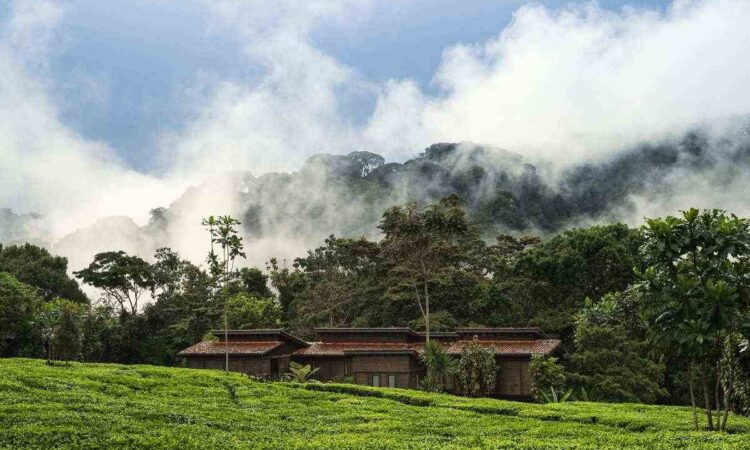
Gisakura tea estate is found in Nyungwe National Park in southern Rwanda. A visit to the Gisakura tea estate is a breathtaking safari walk and drive through the devastating tea acreage situated high in the undulating hills of Nyungwe National Park. Most tourists think of the Gisakura tea plantation after the chimpanzee trekking, realizing the remarkable beauty is comparable to no other. This is an area of economic value to Rwanda since tea is Rwanda’s major export. Visiting the Gisakura tea plantation is an opportunity to discover the secret behind Rwanda’s best tea test in the world. While in Gisakura, visitors get involved in the laborious tea harvesting, planting, printing, and many others.
Nyungwe National Park is one of the 4 national parks of Rwanda and one of the youngest parks in East Africa established in 2004. This was after long-term struggles of fires and wood cutting in the early 1950s to 1990s. This covers about 970 km² of land filled with grasslands, woodlands, bamboo, bogs, and wetlands.
Visiting the Gisakura tea estate
This welcomes you to Rwanda’s most illustrious and extremely magnificent tea estate Gisakura found in the western part of Nyungwe National Park. Tourists are taken to the boundless judiciously managed tea plantations by the village people, local communities who are accustomed to tea-growing culture. This has enabled them to derive ways how to produce high-quality tea. Weekdays are often the working hours for the tea farmers where they harvest plants mainly in the morning and evening hours, then prune with all equipments in the basket.
The days from Monday to Saturday are the best to visit the Gisakura tea plantation for those interested in participating in the tea activities. Whereas Sundays are just for drives and simple walks through the Gisakura tea estate as farmers are home for rest. The Gisakura tea estate is playing ground for the black and white colobus monkeys residing in the woodlands found with the plantation.
You can choose to participate in trekking the colobus monkeys, and chimpanzees, canopy walks, birding, and Isuma waterfall hikes among others after the Gisakura tea estate visit.
When is the best time to visit the Gisakura tea plantation?
Visiting the Gisakura tea estate is best during the dry season, at a time when the tea leaves are ready for harvesting and the ground dry streamlining tea harvesting. The dry season covers the months of June to September and December to mid-February. These months slightly differ from Uganda’s dry season however you can combine safaris in both countries.
The wet season in Rwanda spans from March, April, and May, then October and November a time when all fields are green, and is the planting season. The wet season is best for those wishing to have complete engrossment in Gisakura tea plantation works from Monday to Saturday, morning and evening hours when the ground is soft dig and the best weather to keep one working.


