
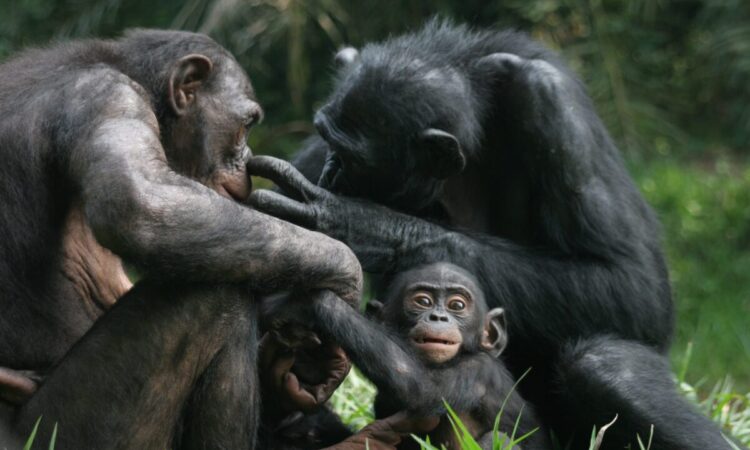
Life is not always pleasurable and easy but this thought of sanctuary puts the chimpanzee’s lives back together that have suffered from various traumas brought by life. While rehabilitation centers are for humans, sanctuaries are for endangered animals like the Lwiro which dedicates its purpose to supporting the chimpanzees.
Location of Lwiro Chimpanzee Sanctuary
Lwiro Chimpanzee Sanctuary is found in the calm of Bukavu in the southern region of Kivu in DR Congo. Over 100 monkeys and 90 chimps were saved from the ugly activities of poaching and given back life while in the sanctuary.
The Lwiro private rehabilitation center was brought to life by two Congolese institutions that wanted to save the lives of the small tiny monkeys and chimps that were sold as pets and meat, especially after the second Congolese war around the years between 1998 and 2004. Since then to date, the sanctuary has been named as a world heritage site in danger.
How to get to Lwiro chimpanzee sanctuary?
Lwiro sanctuary is located 30 km from Kahuzi-Biega National Park and one can get to the sanctuary either by road or a chartered plane depending on their budget and the time they want to spend in the country. Visitors can fly from Kigali International Airport to Kavumu airport where they can then transfer on road for 30-40 minutes to this sanctuary.
Best time to visit the sanctuary.
The dry months of December to February and June to September offer dry walking trails to tourists.
Activities to engage in while at the sanctuary
- Viewing the tree king kongs – monkeys in their feeding grounds.
The sanctuary not only grooms orphaned chinps but also harbours a great deal of monkeys in different colours and species. Some of the monkeys that are kept in the sanctuary include golden manga bey, blue velvet monkeys, red tailed, owl faced and grey cheeked mangabeys.
- For philanthropists, you will get a golden chance to serve in volunteer tourism activities. There is a lot of charity work in the sanctuary that tourists can engage in like conservation of the surroundings, and playing with the primates to relieve their pain among others.
- Engage in various learning activities that ensue in the sanctuary. The sanctuary has a lot of information to feed the community especially about conservation, rehabilitation, rescuing, and reintroduction of wildlife life in the sanctuary.
- The sanctuary is home to other wildlife that can be viewed by tourists like birds, turtles, various butterfly species, and parrots among others.


