
The tragedy that befell Rwanda in 1994 almost left the country and some parts of its major town a ghost town because people were accustomed to death until the bloodshed became a matter of international interest. The death of one important figure in the country President Habyarimana Juvenal a Hutu sparked the violence that later killed hundreds of civilians. History has it that the president’s plane was shot from the Kigali International Airport on 6th April 1994. However, the root cause of this dangerous incident that turned the Hutu to slaughtering the Tutsi was their longstanding conflict and disagreements. This stemmed from the segregation that was built by their colonial masters the Belgians in 1916.
Location of the memorial grounds
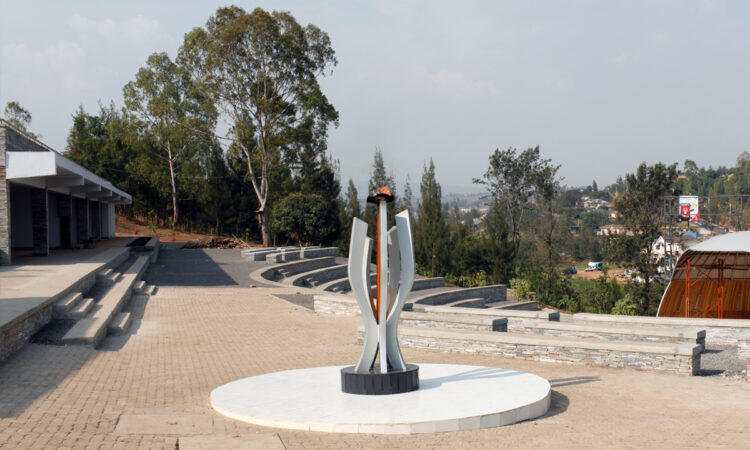
Kigali genocide memorial is the final resting ground for over 250,000 innocent civilians who were slaughtered in the bloodshed of the 1994 Rwanda genocide. This distinctive place for the departed is found in Gisozi and was commissioned in 2004. This place of remembrance of the Kigali tragedy is mainly made of four major sections that include educational facilitates, genocide archives of the country, memorial gardens, and exhibitions.
The exhibition facility
The exhibition facility has showcased all the killer weapons that aided the genocide, the genocide itself, and the adverse aftermath of the genocide. This facility that is on the first floor is a space that was put up to also show the measures that have been put in place to ensure that peace is restored in the country. In the exhibition room lies a stained-glass window that shows different ways in which the genocide would have been prevented through the central room that is viewed through an opening in the exhibit material.
The wasted lives facility.
Other than showcasing the 1994 Rwandan genocide only, this facility also showcases other genocides and mass killings that have been done around the world. This is meant to educate the visitors on the dangers of discrimination and why genocides should never happen again anywhere in the world.
Children’s Memorial
It is absurd that the prosecutors did not even spare the lives of the innocent future leaders who were killed yet they were unarmed and could not even fight back. All this was not considered before they were handed so their remains are also in the children’s section which is the third main section of the memorial grounds. The message in this room is heartbreaking as it even entails some of the last words of the children while they were crying for help. Survivors also have a section in this place where they post photos of their little loved ones, and their favorite food and give u a reflection that while some random child was enjoying their playful stage, while others kids were struggling to survive.
The mass graves
Because a huge number of people lost their lives during this period, it was difficult to segregate the remains of the different people so that they were given an onus of being buried individually. Additionally, a lot of land and space was going to be utilized if were buried individuals hence a mass grave was opted for. Tourists who visit the graves emotionally feel deep sorrow about the lives that were mercilessly claimed in an untimely period, pay respect to them, and pray for them.
The garden of reflection
The memorial ground is a welcoming environment and space that offers healing and moving on for the Rwanda genocide survivors. It is also important to note that most of the guides of the memorial grounds are war victims and survivors hence they provide information to tourists based on what exactly happened to their lives.
The inspiring section explains the measures that have been put up to reconstruct the country through the Gacaca courts meaning justice amongst the grass. These courts offer community healing, and truth-telling, and encourage peace among the members of the country.


