
Uganda has a variety of animals that one can spot while on a visit to this great country. Set apart from the rest, Uganda is blessed with incredible wildlife species. Its vast landscapes stretch across its premises as habitats for the wildlife species. Visitors who are planning on an adventure to Uganda should brace themselves for an experience like no other.
Uganda is a small landlocked country located in East Africa bordered by South Sudan in the north, Kenya in the east, Tanzania in the south, Rwanda in the southwest, and the Democratic Republic of Congo in the west. What Uganda lucks in size, it makes up for in delivering unequaled and unmatched wildlife experiences. The country’s vast landscapes and variety of wildlife make you question the size of Uganda because its abundant wildlife is epic.
Uganda’s ecological systems stretch across the savannah plains down the lowland valleys and waterbodies to the tropical rainforests and the highlands. These ecological systems harbor a variety of wildlife species as each species has copied well into the ecological system it dwells in. Uganda just like most of the African countries had a rough and bumpy start with civil wars and political turmoil defining its early years before and after independence. However, it adapted and gained control of itself from the mid-1980s and thus has been peaceful which has paved the way for the vast multiplication of wildlife into destinations.
Animals to spot in Uganda.
Uganda harbors a variety of animals that can take us forever to mention in its vast destinations. Therefore, these animals can be categorized into the following groups to easily bring out most of the animals that can be spotted in Uganda.
The Big Five
The Big Five is a category and term that stretches for many years back during the colonial times of the trophy hunters. Trophy hunting was a sport hunting activity where people hunted and killed various animals on the African savannah and the most animals killed one would earn a trophy. However, the trophy hunters did not have it easily when it came to the Big Five animals as they were very bad to hunt down.
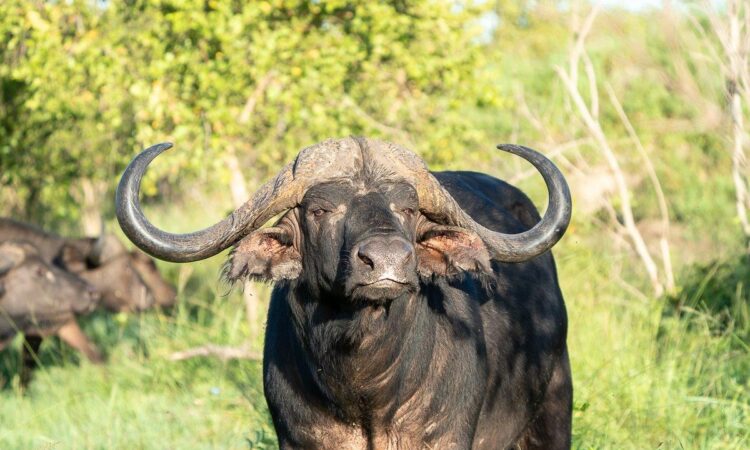
These Big Five animals include lions, elephants, leopards, buffaloes, and rhinos. These animals claimed the lives of some of the trophy hunters thus earning themselves the name Big Five. In Uganda, one can encounter four of the Big Five animals in Queen Elizabeth National Park, Murchison Falls National Park, and Kidepo Valley National Park.
The rhino is the only Big Five animal missing in these parks but can however be encountered at the Ziwa Rhino Sanctuary. Rhinos were poached to extinction from various destinations like Murchison Falls and Kidepo Valley National Parks in the 1980s. They were later 2005 reintroduced into the country at Ziwa for proper monitoring before being taken back to parks.
Antelopes
This category of antelopes encompasses most of the other types of antelopes in the country. Antelopes in Uganda dwell in various ecological systems but the most notable ones are savannah wilderness and some tropical rainforests. Antelopes in Uganda can be spotted and encountered in various destinations such as Queen Elizabeth, Lake Mburo, Murchison Falls, Kidepo Valley, and Semuliki National Parks.
They can also be found in the Pian Upe National Reserve. The tropical rainforest of Kibale Forest National Park and Bwindi Impenetrable National Park harbor antelopes also. The antelope species in Uganda include Uganda kobs, impalas, bushbucks, hartebeests, Defassa waterbucks, elands, greater kudu, and sitatungas to mention but a few. Antelopes have great significance to the Ugandan culture as they are also part of the national emblem.
Aquatic animals
The aquatic animals which are the water animals of Uganda have a small percentage on the wildlife chart. However, present a great number that keeps the waterbodies exciting and adventurous. These aquatic animals can be encountered on a boat cruise experience on various destinations like Kazinga Channel, Lake Mburo, and Victoria Nile of Murchison Falls National Park among others. Some of the aquatic animals include hippos, crocodiles, monitor lizards, clawless otters, etc.
Primates
The primate species are one of the major attracts of tourists to Uganda. These primates harbor the tropical rainforest and highland forest of the country in different destinations. Uganda houses over 20 species of primates and among these 13 are diurnal and can be spotted during the day while 7 are nocturnal and only active under the cover of darkness. Some of these primates in Uganda are rare and endangered such as the mountain gorillas and golden monkeys of Bwindi Impenetrable and Mgahinga Gorilla National Park. Other primates in Uganda include chimpanzees, vervet monkeys, olive baboons, red-tailed monkeys, L’hoest’s monkeys, blue monkeys, pottos, and bushbabies to mention but a few.
Birds
Uganda is one of the best bird destinations in the world. This is because the country harbors approximately 1,100 bird species. These amount to over 11% of the entire birds on the African continent. The country hosts both migratory and endemic bird species that are present in Uganda in specific seasons and residents of the country respectively. These bird species in Uganda are hosted in various ecological systems such as savannah vegetation, tropical rainforests, lowland areas, and wetlands. The conditions from these destinations make them a perfect habitat for the birds.
Some of the notable bird destinations include Mabamba Wetland, Mubwindi Swamp, Bigodi Wetland Sanctuary, Entebbe Botanical Garden, Queen Elizabeth National Park, Murchison Falls National Park, Kibale Forest, and Lake Bunyonyi among others. The various bird species in Uganda include the shoebill stork, yellow fronted tinker head, helmeted guineafowl, white-tailed blue flycatcher, yellow spotted barbet, broadbill, hornbills, marabou stocks, Goliath heron, orange weaver, lesser jacana, grey crowned crane, double toothed barbet, weaver birds, piapiac, eastern plantain eater, cinnamon chested bee-eater, etc.


