
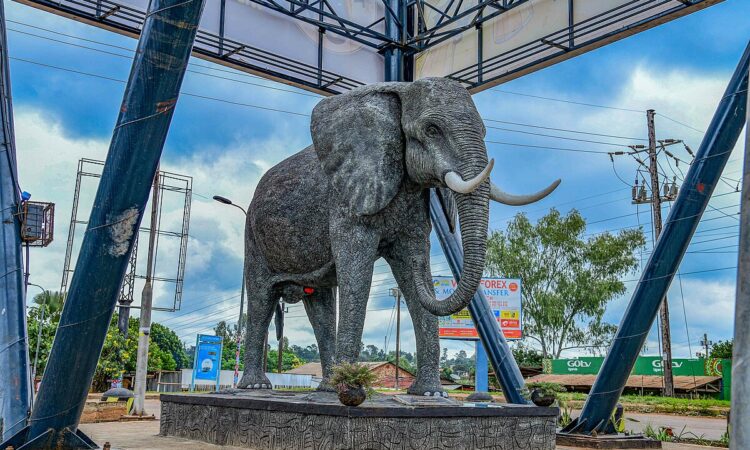
Gulu City is like one of those unsung heroes in a movie. The city’s beauty transcends visuals to imagination. It is located in the northern region of Uganda bordered by districts of Amuru in the north, Pader in the east, Omoro in the south, and Nwoya in the west. Gulu City is a true definition of time heals, as it was once a war zone for various civil wars and played a central stage for the powerful to test their might.
Notably, the Lord Resistance Army was the most significant blow to the city, as this rebel group claimed many lives and property for a long time. However, these wars did not determine the fate of this incredible city. Gulu City came up strong after the defeat of these rebel groups by the government and has propelled itself to the top. Gulu City is one of the biggest cities in northern Uganda. It is situated approximately 333 kilometers from Kampala, the capital city of Uganda. This city is the main business center for Gulu district and a gateway to various destinations like Murchison Falls National Park and Kidepo Valley National Park. A tour around Gulu City will open the door and unveil the various hidden gems of this northern treasure.
What is there to see and do while on a tour in Gulu City?
Gulu City has pretty much to entertain its guests with from the natural wonders and cultural gems to the political and historical artifacts that take you back in time. The city is well defined as suit the traditions of tour and travel as unveiled below with what you can see and do in the city.
Aruu falls
The Aruu falls are notably a must visit for adventure enthusiasts and nature lovers given their location and beauty that yearns for sighting. The Aruu falls are located in Pader, a very close town to Gulu City. The word Aruu is a local Luo word that means to be woken up. This name was forged by the locals who were often woken up by the noise from the falls, thus naming it that. The Aruu falls offer incredible sights to the visitors as the falls are embedded with a natural forest hence crafting a natural art piece. The views of the falls are epic and visitors on a tour in Gulu City often spend ample time at the falls.
Pece War Memorial stadium
The Pece War Memorial stadium is a historical landmark in the city of Gulu. A tour around Gulu City would seem incomplete without a visit to the Pece War Memorial stadium. This is because the stadium bleeds a significant factor in the history books of not just the city but the county and the world. The stadium was constructed during the 1950s under the British colonial government. The main reason for its construction was to honor the King’s African Rifles from Acholi land. The King’s African Rifles were an African army recruited by the British from all their East African colonies to fight alongside them in their wars, like the world wars and other uprisings. After World War II, the British saw it fit to honor the King’s African Rifles from the Acholi land and built this incredible Pece War Memorial stadium. On the visit to the stadium, visitors will learn about the history and other incredible artifacts about this stadium.
Fort Patiko
Fort Patiko is also another important artifact in the history of Gulu City. This fort dates back to 1872, 25 December when it was constructed by the British explorer Samuel Baker as a military fort. Fast forward to 1888, it was reused by Emin Pasha and Charles Gordon as they continued their works in the Uganda British Protectorate as Governor Equatorial Province. Its existence in the city of Gulu defines how important this city was during the colonial times. As you tour this city, visit Fort Patiko and see how significant it is to the people of this city.
Gulu cathedral
The Gulu cathedral, on top of being an important religious site for the people of Gulu City, is also a historical site having been constructed in 1931-1941 by the Comboni brother missionaries. This 5,000 seater catholic cathedral once hosted Pope John Paul II, who visited the cathedral on 6 February 1993. The cathedral stands out as an important religious and historical site for the city.
Local markets
Gulu City is a business hub for northern Uganda and this can be witnessed on a tour around the local markets on a city tour. The local markets visit various local traders and those from other cities and neighborhoods to showcase a variety of commodities from foods like vegetables and fruits to art and craft souvenirs from blacksmiths. Visitors to these markets can interact with the traders and also grab a thing or two to support their hustle, hence improving their livelihood.
Acholi cultural experience
As you embark on a tour in Gulu City, immerse yourself in the Acholi cultural experience. This experience will uncover the Acholi culture right before your eyes. The northern region of Uganda is dominated by the Acholi cultural people. On your tour in Gulu city, embrace the Acholi culture as you interact with the cultural leaders and chefs. Participate in their cultural events where you will learn their beliefs, values, and norms. Get entertained with their traditional songs and dances.
Gulu City walk
Embark on a walk across the beautiful clean streets of Gulu City. The city has well-planned streets that make the walk a special and joyful one. Interact with the locals as they go by with their daily hustles and dig deep in the history that surrounds this beautiful city.
When is the best time to have a tour in Gulu City?
The best time to take a tour in Gulu City is during the dry seasons. Gulu City falls in the equatorial region of Uganda, hence it receives two wet and dry seasons annually. The dry season is a period of dry and humid conditions with relatively little or no rainfall. This ensures that visitors can enjoy their city tour of Gulu uninterrupted by heavy rains. Additionally, various attractions around the city like the Aruu falls and Fort Patiko are best explored during the dry season. The dry season runs from December to February and June to September.


