
Embarking on a popular destination like Volcanoes National Park is often important to do due diligence before traveling. This is why we have arranged a guide to visiting Volcanoes National Park that is set to help first-time visitors and also the common ones on the new changes for their update. This guide helps to highlight the important facts and safety points that are often left out by many writers and scholars. This guide is basically what you all need to know about Volcanoes National Park, the attractions, activities, accessibility, and many other things.
Brief intro of Volcanoes National Park.
Volcanoes National Park is a famous protected area situated in the northern region of Rwanda in the district of Musanze, covering an area of about 160 square kilometers. This park is famous for harboring the endangered mountain gorillas, and this is merited by its position in the Virunga Conservation Area. This conservation area is the remaining habitat of these endangered primate species.
It cuts across the other gorilla destinations, like in Uganda’s two destinations of Bwindi Impenetrable and Mgahinga Gorilla National Parks, and also its starting area, Virunga National Park of the Democratic Republic of Congo. Volcanoes National Park not only houses the mountain gorillas of the Virunga Conservation Area but also the volcanoes. The park has over 5 of the 8 volcanic mountains that make up the Virunga mountain range.
Volcanoes National Park was established in 1925 and is ranked as the oldest protected area on the African continent. Its establishment followed a discovery by the then colonial masters that led them to take such a decision to gazette this area of the park. This discovery was sighting the mountain gorilla primates in the areas of the park. As a way to protect them from being poached, it was gazetted.
Fast forward to 1967, Dian Fossey, a popular primatologist and conservationist, arrived in the park from Virunga National Park. She brought her expertise to the park and set up the Karisoke Research Center, where she operated. She championed many campaigns against poaching and got funding for many conservation projects of the mountain gorillas. She was later killed at her home and buried in the park close to the research center she set up.
What to do in Volcanoes National Park?
Volcanoes National Park has numerous activities that are interesting for visitors to engage in, and some of them include the following.
Gorilla trekking
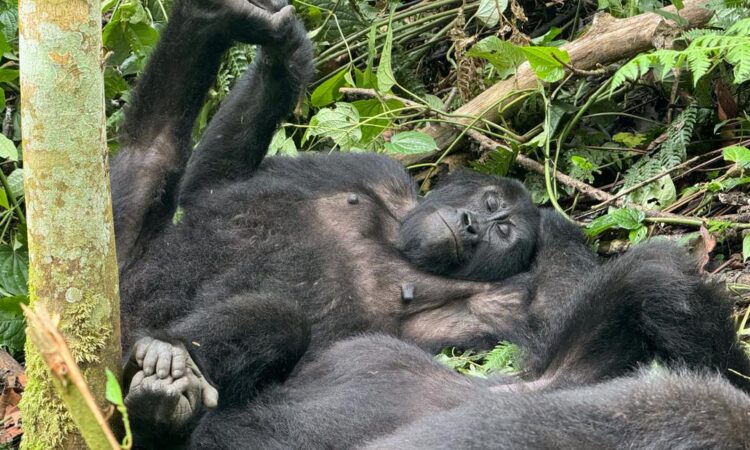
Gorilla trekking is the act of traversing the dense canopies and undergrowth of Volcanoes National Park, looking for the mountain gorillas and spending an hour in their presence after locating them. Gorilla trekking is, without any doubt, the main tourist activity in Volcanoes National Park. This is highly attributed to the many visitors that flock to the park every year for a chance to encounter mountain gorillas. The park hosts over 300 mountain gorillas living in about 12 gorilla families. These families are groups where these primates dwell and are trekked or encountered. Each group or family is protected by a silverback, which is the male gorilla.
Birding
Approximately 200 recorded bird species inhabit this massive park, and a birding experience is the perfect way to spot these birds. Both migratory bird species show their presence in different seasons, and endemic resident birds are the constants of the park. Among these bird species, 13 species and 16 subspecies are of the Virunga and Rwenzori Mountains descendants.
Birding is done with precise knowledge of the birding guide along the various designated birding trails. Some of the notable bird species to spot include the African green broadbill, handsome francolin, Rwenzori batis, Archer’s Robin-cat, red-faced woodland warbler, Rwenzori turaco, and Kivu ground thrush, among others.
Hike to the tomb of Dian Fossey.
Volcanoes National Park also offers a hike to the tomb of the legendary Dian Fossey, who was considered the mother of gorillas. When she lost her life at the hands of the poachers that she protected the mountain gorillas from, she was laid to rest in the park. This is close to her research center she had established earlier in the park. This hike is a way to pay your last respects to a legend who is the reason why there are still mountain gorillas in the park today.
Cultural tours
A few kilometers from the main gates of Volcanoes National Park, Iby’iwacu gorilla guardian village takes central stage to offer a run-in on the cultures of the Rwandan people. These cultures and traditions are portrayed through songs and dances. Learn the traditional ways in which the forefathers of the local people lived and worked.
How does it cost to see gorillas in Volcanoes National Park?
When embarking on a gorilla trekking experience in Volcanoes National Park, there is a cost incurred to purchase a gorilla trekking permit. This permit is the very document that grants visitors access to the mountain gorillas in their natural habitats. The cost for this gorilla trekking permit ranges between the nationality and the place of origin of the visitor.
Visitors of foreign non-resident status pay USD 1,500 for a gorilla permit, foreign residents USD 500, and then USD 200 for the East Africans and Rwandan visitors. The cost for the gorilla trekking permit is only paid to the Rwandan Development Board through a local tour company like Standard Safaris.
When is the best time to visit Volcanoes National Park?
The best time to visit Volcanoes National Park always depends on the purpose of the visit. However, in most cases, the purpose is always gorilla trekking, thus the dry season, which runs from June to September and from December to February, is the best time to visit the park. This period of the dry season is characterized by strong and prolonged dry weather with humid temperatures.
These conditions leave the park dry with little vegetation, making navigation easy and visibility perfect. Other activities like hikes and nature walks, this period is also perfect to visit the park. The birding experience, on the other hand, can be best done during the wet season, although the dry season is also good. This is because the wet season sees a rise in the bird numbers since many migratory birds fly in to breed, leaving aside the challenges of navigation due to strong rains that leave the park trails muddy and slippery.
How to get to Volcanoes National Park?
Volcanoes National Park, like most of the other destinations in the country, can be accessed by both road and helicopter means. By road, the park from the capital takes about 2 hours since it is located about 100 kilometers from the capital, Kigali. There is also an option to fly to the airport in Musanze using a chartered helicopter from the airport in the city and connect to the park by road.
Where to stay in Volcanoes National Park?
The accommodation facilities in Volcanoes National Park are arranged according to the class of the visitors. These classes range from luxury and mid-range to budget and with changing proximity to the park. The closest facilities to the park are more expensive than those further from the park.
Some of the luxury accommodation facilities include One & Only Gorilla’s Nest Lodge, Singita Kwitonda Lodge, Virunga Lodge, and Bisate Lodge, among others. Mid-range facilities are Mountain Gorilla View Lodge, Amakoro Songa Lodge, Five Volcanoes Boutique Hotel, and Da Vinci Gorilla Lodge, among others. Budget lodges include Kinigi Guesthouse, Hotel Muhavura, Garden Place Hotel, La Palme Hotel, etc.


