
South Sudan is bordered by six countries. These are Sudan in the north, Ethiopia in the east, Kenya in the southeast, Uganda in the south, the DRC in the southwest, and the Central African Republic in the west. These total six border crossings. However, our attention is drawn to only two borders: Uganda and Kenya.
Nimule/Elegu (Uganda) and Nadapal (Kenya).
Although South Sudan shares its crossing points with several other neighboring countries, only a few borders are mainly used by international tourists. The Nimule–Elegu border with Uganda and the Nadapal border with Kenya. These are the two main access points to reach South Sudan by land. These are responsible for managing cross-border movements into South Sudan. They are mostly used by journalists, business travelers, aid workers, business travelers, and the small group of travelers who prefer travel by road.
These land border crossings pave the way for seamless transportation of people and their valuables between South Sudan and its neighboring countries. However, travelers need to anticipate tight security checks, varying road conditions, and inadequate facilities along their journey. The country faces fears of political unrest, armed groups, and internal civil wars. Below is what travelers to South Sudan traveling by border crossings can expect, and the key safety information to put into consideration before they travel.
Nimule / Elegu Border: The main entry point with Uganda.
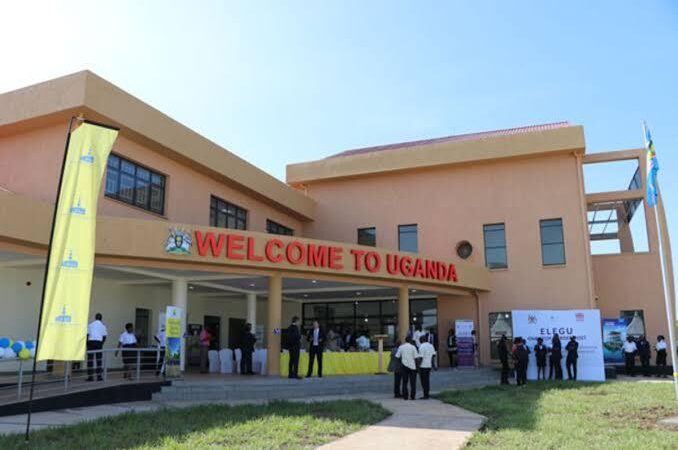
The Nimule–Elegu border is the most commonly used cross-border crossing between Uganda and South Sudan. It connects Nimule in Eastern Equatoria with Elegu in the northern part of Uganda. This crossing is a major transport link between Juba and Kampala that has become commonly used. It regularly manages the flow of truck vehicles carrying different goods, independent visitors, and business travelers moving between Uganda and South Sudan.
Location
The border lies about 200 kilometers away from the capital city of Juba. This has made it the most convenient road access point for travelers coming from Uganda. After crossing the border, the journey that follows is one of the most important and busiest routes of South Sudan. It is also known as the Juba–Kampala highway. Compared to other areas of South Sudan that are mostly drier, the Nimule zone has got greener spots.
Crossing requirements at the border.
The Elegu border doesn’t only handle passenger movements but also business operations. However, the crossing process is a bit longer and takes some time, especially in times of heavy traffic or when checking travel documents. Travelers should anticipate vetting via immigration and customs on both sides of the country before entering either country. Visitors entering South Sudan are usually required to carry a valid passport, yellow card, and a South Sudan visa along with supplementary travel documents.
Safety along the route
The Nimule–Elegu route is one of the most active routes when entering South Sudan, given that it plays a vital role in terms of transport and trade. However, travelers need to note that security along the route is in place. Travelers are expected to cooperate for a smooth travel experience.
In recent years, there have been roadside criminal activities and attacks, especially in blind spots along the highway, particularly away from busy border crossings. Travelers are urged to travel during daytime and use reliable and trusted transport means. Travelers must avoid unnecessary stops and seek updated information while planning their journey to South Sudan.
For many visitors entering South Sudan using road means of transport, Nimule–Elegu remains the preferred option and the most convenient entry point. Preparations and seeking detailed information about the destination are necessary for a seamless crossing.
Nadapal Border – Crossing with Kenya
Travelers can use the Nadapal border as the major crossing point between South Sudan and Kenya. The main official border connects the South Sudanese side near Kapoeta with the Kenyan side near Lokichogio. Compared to Nimule, Nadapal is less busy than Nimule even when it serves as an important connection for trade and limited passenger movement between these two neighboring countries.
Location of Nadapal border.
It is situated in the eastern part of South Sudan, in the Greater Equatoria region. The areas surrounding Nadapal have seen a history of insecurity and wars. The drive from Juba to Nadapal takes 8–12 hours on rough roads, passing through areas that have seen sporadic insecurity. The Kenyan side is better developed, with clearer signage and more organized facilities. The border area is arid and semi-arid, with acacia woodland and open plains typical of this part of East Africa.
Current procedures at the border.
Even though the border is officially open for visitors, it operates only for a limited number of hours, and the regulations are still strict. Travelers are urged to carry their valid passport and South Sudan visa, especially if entering from Kenya.
Compared to Nimule, crossings here take some time, and many visitors often report longer waiting periods before they can be cleared. Vehicle inspections should be anticipated, and unofficial payments are sometimes requested. Most reliable tour operators clear these small fees beforehand so as to ensure smooth access and reduce delays.


