
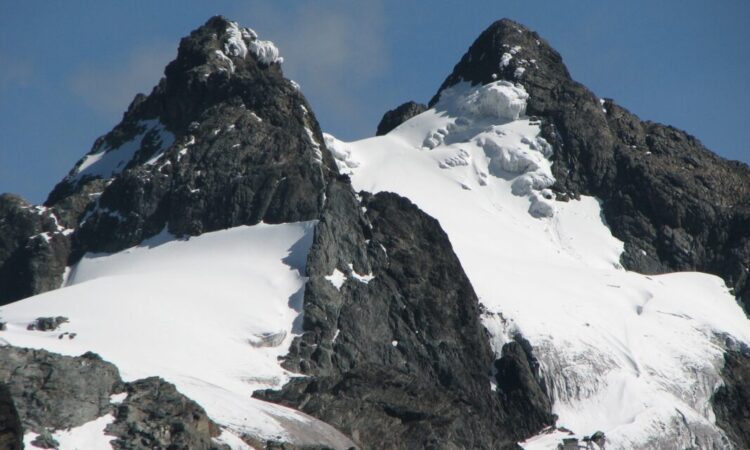
When is the best time to hike Mount Rwenzori? The dry season is the best time to hike Mt. Rwenzori due to its favorable weather conditions. When planning your Rwenzori safari adventures, consider any of the two phases of the dry season. The longest dry season occurs from June, July to August then the shortest dry months run from December, January, to February.
June to August
June, July, and August are the best months for ascending to the spectacular Margherita peak on Mt. Rwenzori. Around these dry months, climbers experience the hikes less of an interruption from rains. Very minimal rainfall or even completely no rainfall is received around June, July to August.
Due to the favorable weather conditions that are experienced during the dry months, most climbers opt to embark on hiking adventures on Mt. Rwenzori compared to other months like March, April, and May.
December to February
December, January, and February are also peak dry months and favorite months of the year for climbers to experience excellent hiking adventures. Visitors interested in conquering the Margherita peak often opt for these dry months of the year.
The rest of the months
Mount Rwenzori tends to be cold around March, April, and May then September to November. They are the low months of the year and are characterized by heavy rainfall. Due to the heavy rains, the trails tend to be muddy and the rocks very slippery making it challenging to have a successful hike to the Margherita peak. It is around these months when the Rwenzori Mountains as a destination experiences a low turn-up of visitors.
But it is also around March, April, May, and September to November when you can observe lush vegetation. These are also the months when most species breed including birds and mammals.
Weather & climatic conditions
The Rwenzori Mountains lie near the Equator crossing and experience unique weather and climatic conditions. The Rwenzori Mountain area records two rainy seasons with the longest often occurring from March to May and the short wet season occurs in November. But the weather patterns are generally unpredictable throughout the year. The rains can occur early or even late.
The base of the Rwenzori Mountains is relatively hot and humid. At the peaks of the Rwenzori Mountain ranges, the temperatures can be below freezing. Mt Rwenzori experiences the alpine kind of climatic conditions and temperatures fluctuate depending on the altitude. The climatic conditions in the Rwenzori Mountains are characterized by high rainfall, cold temperatures, and snow-capped peaks.
The highest rainfall levels are experienced from March to May and September to November. The snow and glaciers occur on the summits of Mt Rwenzori.
The temperatures vary depending on the altitude. At the altitude of 3000 to 4000m, the temperature rise falls between 10 degrees and 15 degrees Celsius during the day, and at night, temperatures fall to 2-6 degrees Celsius. Around the camps/huts, temperatures equally differ and can range from 4 to 5 degrees Celsius during the day and drop to even -5 degrees Celsius during the night.
What to pack on a hike to Mount Rwenzori?
How and what you pack for your Rwenzori safari adventure may differ from the packing list for a normal game drive. Essentials to consider on your Rwenzori Mountain climbing adventure include a good camera, trekking poles, warm sleeping bags, headlamps, waterproof backpack, adequate bottled drinking water, first aid kit, sun protection gear (sunglasses, sunscreen, and safari hat), and sturdy hiking/climbing boots.
Hiking trails to explore on Mount Rwenzori.
Mountaineering expeditions on Mt. Rwenzori are enjoyed along the well-maintained trails including the Rwenzori Central Circuit, Kilembe Trail, and Kinyampanika Chimp Trail plus others. Each of these climbing trails introduces you to the different peaks but the target is to conquer the Margherita peak at 5109m.
Where to stay during the Rwenzori Mountain hike?
There are multiple safari lodges/hotels at the base of Mt. Rwenzori worth spending a night and also along the trails as you ascend to the peaks. At the base of the Rwenzori Mountains, expect to retire for a night at Trekkers Hostel, Snow Heights Lodge, Ruboni Community Camp, Equator Snow-Lodge, Ruboni Turaco View Camp, Queen Elizabeth Safari Lodge and others.
The safari camps/huts include Sine hut, Butawu, Kalalama hut, Kiharo, Hunswick, Bugata, Mutinda, and Margherita camps. Additional safari camps include Nyabitaba Hut, Kitandara, Elena, Bujuku, Guyeoman, and John Matte Camps.


