
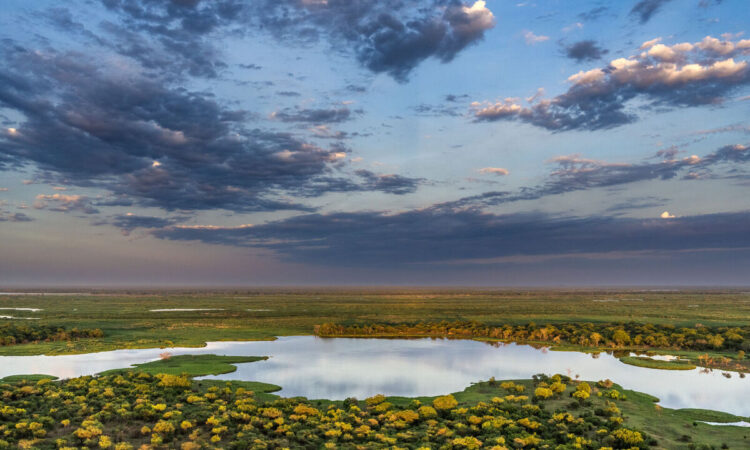
The best time to visit South Sudan in East-Central Africa is the dry season. Dry seasons in this country generally occur from November to March. When it is a dry season, the patterns of rainfall are significantly low. When little to no rains fall in the dry season, access roads remain quite dry and navigable. This makes transportation quite easier compared to when it is muddy. Latter conditions occur in the rainy seasons, from April to May, and July to August. Meanwhile both rainy and dry weather conditions occur from September to October.
Nevertheless, these offer good conditions for your travel to South Sudan. We as Standard Safaris do not recommend July to August as the best time to visit South Sudan. In fact, do not visit during this period unless you love challenging safari conditions. This is when South Sudan receives its highest rainfall. Amounts can reach 1,000-1,500 mm in some parts of the country. Heavy rains make transportation quite challenging. Aside from muddy and slippery roads, thunderstorms and lightening create challenges to air transportation.
Key Destinations to Visit
When you enter South Sudan, just know that you have a variety of destinations to explore. They range from national parks, mountains, open waters and others. All these destinations offer several attractions that make your visit worth it. Below are descriptions of the wildlife destinations you should check out on your best time to visit South Sudan,
Nimule National Park
A very virgin ecosystem of size 410 square kilometers situated in Eastern Equatoria. Nimule National Park is strategically positioned along the border with Uganda and the White Nile. This is a perfect place to explore a variety of savannah features including the open grassland and woodland. Mount Otzi and Mount Kei Forest Reserves are contingent to Nimule National Park to enhance on the habitat diversity there. Mammals like vervet monkeys, buffaloes, warthogs, giraffes, elephants and tiang etc. live here.
Several species of birds have been sighted in Nimule National Park and they encompass a variety of colorful ones. Among them are village weavers, red collared widowbirds, southern ground hornbills, and singing bush larks etc. The uniqueness of Nimule National Park is also presented in the form of diverse cultures found around it. A lot of people there come from Acholi or Madi tribes or others. An encounter with these people offers a lot of knowledge into their precious ways of life.
Bandingilo National Park
Situated in South Sudan’s Central and Eastern Equatoria regions. This is significantly larger than Nimule National Park, with size of 8,400 square kilometers. Habitats in Bandingilo National Park comprise swamp, woodland, grassland and riverine forest. Swamp occupies a very large part of the park, yet the areas around are waterless plains. An important factor like this attracts plenty of wildlife with the aim of quenching their thirst as well as better pasture. You can get a chance to spot them in the best time to visit South Sudan.
Even the members of the Great Nile Migration (the largest mammal migration on the planet) pass through Bandingilo National Park. They comprise millions of white-eared kobs, tiang, Mongalla gazelles and Bohor reedbucks. These animals share Bandingilo with leopards, African wild dogs, lions, spotted hyenas, zebras, giraffes, warthogs and lesser kudus etc. People adjacent to Bandingilo National Park include the Mundari and Bari tribes. These practice pastoralism and crop farming as their chief economic activities.
Boma National Park
A visit to Boma National Park takes you to the Eastern Equatoria state where the 22,800 square kilometers protected area sits. Also, has routes where the Great Nile Migration spectacle occurs. The participants use Boma as a place where they breed, generally in the wet season. This is before they continue to the Sudd and Ethiopia’s Gambella National Park. Other mammals that share space with the Great Nile Migration participants range from predators to fellow herbivores.
Find mammals such as lelwel hartebeests, zebras, oryxes, buffaloes, elephants, Nubian giraffes and Sudan cheetahs etc. The mammals live in more than one habitat, which include grassland, woodland and riverine vegetation. A huge variety of bird species can also be found in the habitats mentioned. Spot countless silverbirds, African wattled lapwings, gray kestrels, African jacanas, striped kingfishers, Abyssinian ground hornbills, and beautiful sunbirds etc.
Southern National Park
This one is situated in the Western Equatoria State of South Sudan and has a size of 23,000 square kilometers. Southern is quite a unique national park of the country as its swampy habitats contain huge wildlife species. Other wildlife lives in its savannahs and forest habitats. Animals to see on the best time to visit South Sudan include buffaloes, zebras, elephants, Kordofan giraffes and rhinos etc. Key bird species to see in Southern National Park include white crested turaco, yellow-billed shrike, Sahel bush sparrow and others.
Kidepo Game Reserve
Situated in Eastern Equatoria and linked to Uganda’s Kidepo Valley National Park. Kidepo Game Reserve is 1,200 square kilomters in size. Despite the fact that it is essentially a semi-arid protected area, Kidepo has a variety of habitats. Components include shrub, woodland, forest, grassland, dry riverbeds etc. Animals that roam on these habitats include cheetahs, lions, bush elephants, leopards, Nubian giraffes, common elands and buffaloes. Birds are in plenty including ostriches, dusky turtledoves, Heuglin’s spur fowls and others.
Physical features such as mountains, hills and inselbergs exist in Kidepo Game Reserve. This is where you can find the Lonyili mountain, Alorou-Bira and the Dongatona mountains. Around Kidepo Game Reserve, you can meet so many South Sudanese tribes like Lango, Didinga, Lotuko and Logir etc. Each of them has unique lifestyles and traditions. Pastoralism and crop farming are their main economic activities. A village walk among these people expose you to cultures you did not even know exist.
Why Visit South Sudan with us?
We have organised numerous trips to and from South Sudan for years. With an experienced team of tourism experts, visitors have benefited immensely from our customized itineraries. Transportation, accommodation, the mentioned national parks and various other destinations have been incorporated in the itineraries, and seamlessly. The visitors who have experienced South Sudan with us have written some positive reviews on our TripAdvisor page. For information about our South Sudan tours contact us, at any time of the day.


