
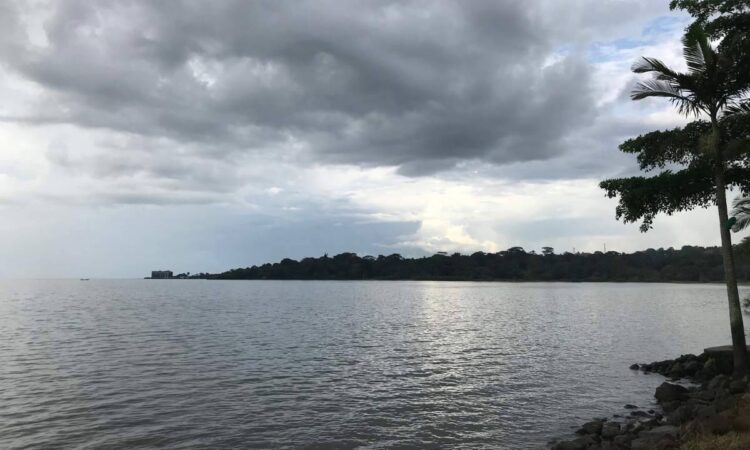
Lake George is an important part of Queen Elizabeth National Park because it supports a variety of biodiversity in the park. Lake George is a long-standing lake located at the western arm of the Great Rift Valley. This geographical positioning sets it close to the Great Lakes region, which is part of the history that introduced the Pearl of Africa, Uganda, to the outside world through exploration. Lake George is known by the locals as Lake Kutunguru, after they named it following its shape. Its name comes from the local word called akatunguru, meaning an onion in the Runyakitara language, which they believe the lake was shaped like.
Historically, as the first British explorer to discover this lake, Sir Henry Morton Stanley, who was on an exploration expedition to locate the source of the Nile and included Lake Victoria on the world map. He stumbled on the Katonga River, which he followed, leading him to Lake George. He later, upon his return to the lake and named it after the Prince of England, who later became King George V. However, Sir Henry Morton Stanley named this lake on his second visit since his first visit was cut short after the British explorer faced resistance from the Bunyoro Kingdom. His first sight of the lake, he mistook it to be an extension of Lake Albert, but on closer inspection on the second visit learnt it was alone starting lake and he named it.
Far from history, Lake George is an important part of the park since it is one of the main sources of water for the animals. This lake is relatively smaller than other lakes in the Great Lakes region. It covers an area of about 250 square kilometers with a maximum depth capacity of 4.5 meters. This fresh lake is kept flowing year after year because of the many inlets, streams, and rivers that flow from many directions. The notable ones include River Mubuku, Rumi, and Nsonge, which get their water from the Mountain Rwenzori. Lake George is a single outlet lake with the Kazinga Channel being the main outlet. The Kazinga Channel is the bridging waterway that connects Lake George to Lake Edward.
Lake George has a high concentration of wildlife, as many inhabit the lake, such as hippos, Nile crocodiles, and several fish species like the Nile perch and tilapia. In addition, the lake also invites a variety of animals like elephants, buffaloes, and antelopes, among others, to quench their thirst. Apart from the wildlife, Lake Gorge also has a large population of over 150 bird species, especially the water birds nesting along its shoreline. Some of these birds include the African jacana, black-billed lapwing, great blue turaco, crowned eagle, open-billed stork, saddle-billed stork, pink-backed pelican, and African fish eagle, to mention but a few.
What other activities in Queen Elizabeth National Park can be combined with Lake George exploration?
Lake George is situated in the heart of Queen Elizabeth National Park and, thus, can be an extra tourist attraction to add to your bucket list as you explore the park. Below are some of the tourist activities that can be combined with an exploration adventure of Lake George.
Game drive
The major tourist activity in Queen Elizabeth National Park is game drives or viewing. This activity involves visitors in the safety and comfort of a safari vehicle, exploring the endless savannah plains of the park as they spot some of its inhabitants. The park is full of savannah wildlife, and a game drive best brings it out. Some of the animals to spot during this activity include lions, buffaloes, elephants, leopards, warthogs, Uganda kobs, waterbucks, topis, reedbucks, and mongooses, among others.
Birding
With a recorded number of approximately 600 bird species, Queen Elizabeth National Park is the number one spot for birding. The bird species are scattered across the massive size of the park in various ecological systems, from the tropical rainforest through the savannah to the riverine vegetation. Everywhere you turn in the park, there are hundreds of bird species. These birds can be spotted on a birding experience in the park that sees visitors guided by experienced birders along the different birding trails, searching and spotting them. A few notable bird species include the African fish eagle, pink-backed pelican, African skimmer, handsome spurfowl, papyrus gonolek, double-toothed barbet, and red-chested sunbird.
Boat cruise
The park’s Kazinga Channel is the best site for a boat cruise experience, not just in the park also it is one of the best in the country. A lot can be spotted here as the channel hosts the largest population of hippos in the country. Countless Nile crocodiles can also be seen busking in the sun on the shoreline beside other animals like elephants, buffaloes, waterbucks, and others as they come for a drink.
Chimpanzee trekking
The Valley of Apes, also known as Kyambura Gorge located in the heart of Queen Elizabeth National Park. It houses a large population of over 100 individual chimpanzees, which can be encountered through a chimpanzee trekking experience. Visitors are given an hour in the presence of the chimpanzees after navigating the dense gorge looking for them.


