
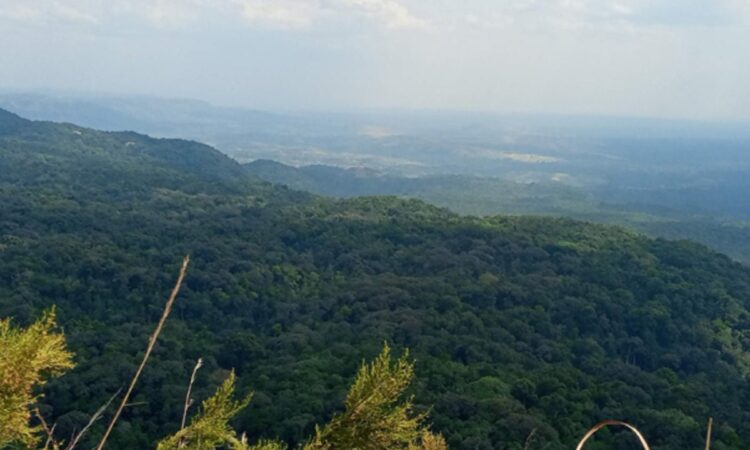
The mighty Maramagambo Forest is in the western part of the “Pearl of Africa”, Bushenyi District. The spot is within the southern sector of Uganda’s vibrant and most visited tourism destination, Queen Elizabeth National Park. Maramagambo Forest is famously known as a popular tropical rainforest that feels like home away from home. The endless forests stretch Kichwamba escarpments to the shores of Lake Edward. This spot is a vacation hub and haven for biodiversity. Maramagambo offers explorers and travellers a chance to immerse themselves in the beauty of nature far from the usual. From its exciting primate populations to its most notable feature, which is the eerie bat cave.
The name Maramagambo carries history and is derived from the local Runyankole dialect, which translates as “end of words.” This was inspired by a tale of young people who could wander into the lush forest, get lost for days and return so exhausted that they couldn’t speak or explain where they had been lost. The highlights the forest’s mystique as a place that is so dense that it could leave one so speechless. Maramagambo is undoubtedly one of Uganda’s largest remaining lush rainforests that covers hectares and hectares of land. The mighty forest supports the thriving of several wildlife.
Wildlife and birdlife in Maramagambo.
It’s unquestionably true that Maramagambo forest is a vacation hub for nature and wildlife lovers. The vast forest shelters over 300 chimps, even though they are not yet habituated to trekking tourism activities. Other primates that can be sighted while at Maramagambo include red-tailed monkeys, Olive baboons, black and white colobus, vervet monkeys, blue monkeys, and nocturnal mammal species like pottos and bush babies. Bates’s pygmy antelopes, elephants and giant forest hogs can also be sighted while at the vacation hub.
Birdwatchers will find Maramagambo a birders’ paradise that shelters over 200 bird species. The most popular ones to be at Maramagambo may include the forest fly catcher, the Rwenzori Turaco, the African finfoot and the elusive White naped Pigeon. Maramagambo’s seasonal fruiting trees and the dense foliage trap a number of these birds all year round. The most perfect timing for birding activities at Maramagambo, however, is the wet season of March to May, along with a shorter one that runs from October to November. The migratory bird species from the West running away from harsh weather conditions also contributes to the birding vibe.
Unquestionably, one of Maramagambo’s key and most exciting features is the Bat Cave, home of a thousand bats. The cave is also widely known to shelter the massive coiled pythons that bring about the Predator-Prey relationship. There are millions of Egyptian fruit bats in the cave, and their echoes can be overheard. African rock pythons can also be sighted at a distance, with some over 10 feet long, feeding on the fruit bats. It’s also undeniable that the cave was initially known for the wrong reasons. In the year of 2008, the cave made headlines when a Marburg virus case was reported as a result of bat exposure. A tourist from overseas, like any other explorer, was negatively impacted by the virus that later led to her death after he had visited the cave. This prompted the American Center for Disease Control to fund a safe viewing point for travellers and wildlife enthusiasts to have the best safari experience without risks. Visitors can now visit the Maramagambo bat cave on their Uganda safaris from a safer platform.
It is also worth noting that the forest of Maramagambo borders two stunning crater lakes, which may include Nyamasingiri and Kyasanduka. The 2 serene water bodies were formed as a result of ancient volcanic activities. These crater lakes also reflect the forest’s greenery, while visitors with perfect spots for photography and self-reflection. Lake Kyasanduka is the more accessible of the 2, while Nyamasingiri, on the other hand, is quite remote, but that adds to the thrills. These lakes are drained by the forest, and visitors, therefore, might spot water birds like egrets or monitor lizards. Along their edges. Visiting the Maramagambo is such a mind-blowing experience that both nature and wildlife lovers shouldn’t miss out. The best time to visit this vacation hub is the dry period of the year when the trails are accessible and the lush vegetation is dried out.


