
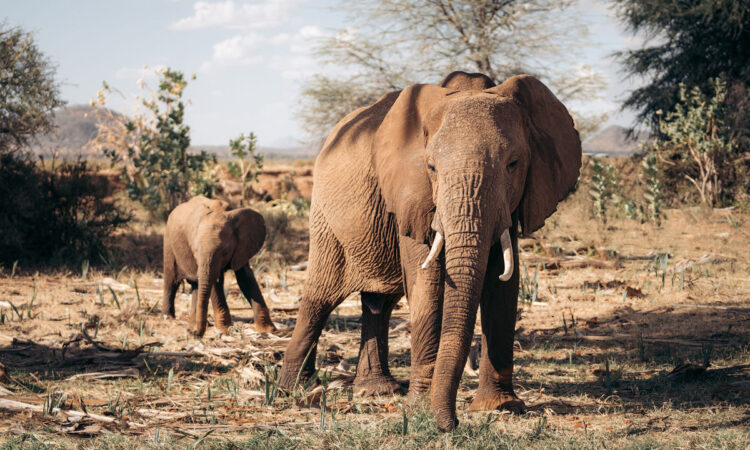
Situated along the Ewaso Nyiro River at the southeastern corner of the Samburu District in the northern part of Kenya, Samburu National Park is one of the most popular national reserves in Kenya regardless of its small natural size. The park is one of the smallest national parks in the country and covers about 165 square kilometers of the total surface land area.
The popular Ewaso River on the border separates Samburu from the Buffaloes Spring National Reserve. Samburu National Park is one of the underutilized and less visited national parks in the country yet popular in the northern part of Kenya due to its wilderness experience. The park’s proximity to the Ewaso River is better and has since provided drinking water to the wildlife of Samburu.
The park also acts as a traditional homeland for the indigenous Samburu people whose villages border the reserve and the magnificent River of Ewaso provides drinking water to their herds. Samburu National Reserve is also uniquely famous as once a home for another renowned lioness Kamunyak (blessed one). Kamunyak was popular for having adopted about 6 oryx calves she fought off predators who were a threat to its young orphans as seen in the “Heart of the Lioness” film. The book and movie “Born Free” also originated from this national reserve. This tells a story about “Elisa the lioness” nurtured and raised by Joy Adamson.
What to see at Samburu?
The magnificent park is popular for its rich wildlife and rare northern specialist species also known as the Samburu special 5. These include the Beisa Oryx, Somali Ostrich, Reticulated giraffe, Grevy Zebra, and Gerenuk. The Samburu bird life is exceptional and the park attracts about 450 different bird species including the taita falcon, lesser kestrel, and vulturine guinea fowls.
Other bird species in this national reserve include a falcon, eagle, egret, and Somali ostrich. Herds of elephants of about 900 in number can also be sighted at Samburu. Wild dogs, lions, and leopards can also be seen in the park. The national reserve also shelters the critically endangered pancake tortoise known as Malacochersus tornieri.
What to do while at Samburu National Reserve
Game viewing
Samburu’s climate and geography favor a lot of wildlife, especially during the dry months of the year. Game drives in this national reserve are done in three sessions and depending on the visitors’ choice, one may opt for the morning, afternoon, or night sessions. The night session enables visitors to have a rare chance of encountering nocturnal mammal species. Big five mammals including buffaloes, rhinos, elephants, leopards, and lions can be spotted during the game drives in Samburu.
Cultural visits to the Samburu people
This is one of the breathtaking experiences while at Samburu National Reserve. The Samburu people settle on the borders of the national reserve and visitors can visit their traditional homes “Manyatta” dominated by historical rock art, and learn about their lifestyle. The Samburu people are believed to be the cousins of the Masai people.
Bird watching at Samburu.
Samburu National Reserve is one of the best birding destinations in Kenya. Several bird species can be sighted including Egyptian vulture, white-headed mouse bird, Kori bustard, falcon, eagle, and egret, to mention but a few. There are about 450 different bird species recorded in the park.
Best time to visit Samburu
Even though the iconic Samburu can be visited throughout the year, the dry season remains a great time for all tourism activities in the park. These thrilling activities may include game viewing, hiking safaris, nature-guided walks, and more. The dry period of December to March and July to October is when the lush vegetation dries out providing spectacular views of the Samburu’s exceptional wildlife.
The trails are also easily accessible during this particular period, unlike the wet season when they are muddy and slippery making certain tourism activities like nature walks and game driving more challenging. During the dry season, wildlife in Samburu tends to congregate on the only remaining water source River Ewaso. Hence offering visitors clear views of the wildlife of Samburu National Reserve.


