
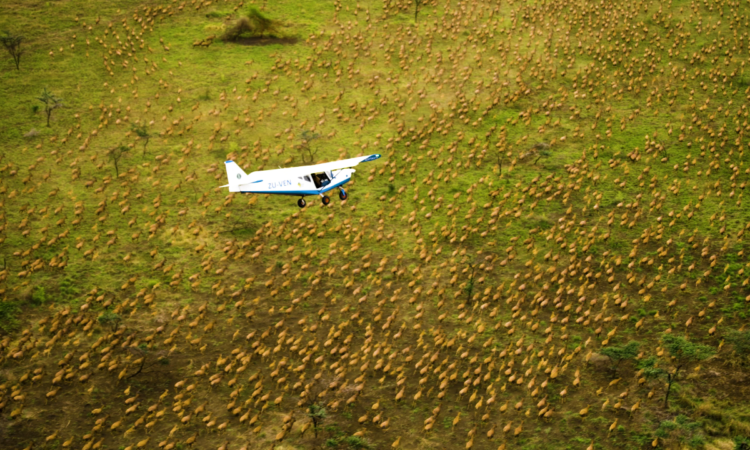
About Boma National Park. This covers a land area of 19,000 square kilometers in the eastern region of South Sudan. This is a premier tour destination boasting a diversity in wildlife, landscapes and cultures. It is not yet clear when Boma National Park was established, however some sources claim in 1977. The location is northeast of Juba, the capital city of South Sudan. The Boma National Park is a significant part of the Boma-Badingilo Jonglei Landscape renowned for the Great Nile migration.
Weather in Boma National Park
A tropical type of climate is experienced in Boma National Park. This is marked by a distinct wet and dry season. Wet seasons are known for heavy rainfall, especially from May to November. The amount of rainfall received in Boma National Park throughout the year is 900-1200mm. Though the dry season is mostly dry, occasional showers are experienced. This season in Boma runs from December to April. Temperature variations are not significant with March being the warmest month (39 degrees Celsius) and December the coolest (19 degrees Celsius).
Attractions of Boma National Park
Fauna
Boma is host to the Great Nile Migration, which is considered the largest antelope migration on earth. During this special event, millions of white-eared kobs, Mongalla gazelles, Bohor reedbucks and tiang can be spotted. Other fauna to be spotted comprise elephants, African wild dogs, lions, leopards, cheetahs and hyenas. A lot of distinct bird species can also be spotted here. Some bird species sheltering in the park include speckled pigeon, laughing dove, African jacana, African fish eagle and great egret.
Landscape
The destination is situated in a watershed that boasts so many physical features including swamps like Guom. For example, the park is bordered by the Boma escarpments and rivers Akobor, Kangen and Pibor. Key rivers in Boma National Park include Kurun, Baron and Oboth among others. Terrain in Boma National Park is generally flat, while the Maruwa Hills others form towering scenery in the Boma escarpments.
Flora
The lush protected area is covered with riverine forest, woodland and grassland vegetation that will make for stunning photos. Botanists will be amazed to identify grasses such as sporobolus species, hyperrhenia species and panicum species. Wooded flora in the meadows and plains of the ecosystem include species of balanites, acacia, zizyphus and combretum among others.
People at Boma National Park
Adjacent to Boma National Park is a diversity of tribes, each with distinct languages, history, customs and cultures. Their major sources of livelihoods are derived from pastoralism, crop farming and other minor activities. Different tribes you can find living around the park are the Kachipo, Toposa, Nuer, Murle and Dinka etc.
What to do in Boma National Park?
Wildlife viewing,
Wildlife viewing is a major tour activity done inside this lush protected area. Due to the absence of game tracks, game drives have not been introduced in the park yet. However, the Boma National Park animals can be spotted aerially. In a well-maintained helicopter with the help of a professional ranger guide, you will view wild animals. There is a diversity in big animals to be spotted during this unique activity over the park. Spotting lions, leopards, elephants and giraffes is a highlight.
Great Nile Migration,
This is an annual event where millions of antelopes can be seen moving to or from Badingilo National Park. Capture exciting photos of the Bohor reedbucks, Mongalla gazelles, tiang and white eared kobs. You can follow these amazing antelopes as they move across diverse landscapes. Predators such as lions, cheetahs, wild dogs, hyenas and leopards can be seen preying on them. Enjoy this unique event that makes South Sudan tours amazing.
Birdwatching,
A high bird count in Boma National Park offers birdwatching opportunities throughout the year. Guided birdwatching tours in the park can be done in a helicopter or during a nature walk. You will search and identify a variety of bird species in various regions of the destination. Birds such as marabou stork, secretary bird, common hoopoe and Abyssinian roller etc. are found here.
Village visits,
Witnessing and getting firsthand knowledge of the lives of various indigenous tribes around the park is a great opportunity. In a destination surrounded by numerous people, you can meet the Murle, Kachipo and Toposa tribes in a guided village tour. Meeting these people offers insight into history and current lifestyles. Entertainment through traditional music and dancing is also part of the experiences with these tribes.
How to travel to Boma National Park
Traveling to the protected area is possible mostly by chartered flight. This is the safest means of transportation because most roads leading to Boma National Park are not in the best conditions. Flights to the park start from Juba and take 2 hours. Booking a flight ticket earlier is much better to ensure that you enjoy the park activities in time. Contact Standard Safaris to make the process quite simpler hence relieving you of the burden and inconveniences.
What to carry for a trip to Boma National Park?
When a safari to Boma is on your mind, essential items are necessary for the success of the tour. You will need to be prepared for the weather conditions by packing appropriate clothing and other items. These comprise; long-sleeved shirt, pair of trousers or pants, sunglasses, sun cream, wide-brimmed hut, sweater, light rain jacket etc. Additional things for your safari includes disposable water bottle, camera, sturdy hiking shoes, first aid kit and backpack. Your travel documents, health insurance, hard cash and energy snacks etc. are also necessary.
When to visit Boma National Park?
Make a visit to the park on any day you wish because the gates are open all year round. However, the wet season makes the exploration quite challenging. This is because heavy rainfall interrupt tour activities. The rains cause dense vegetation and an abundance of water sources for the park animals, making them difficult to see. Dry seasons are preferred to explore the park because rains are reduced and the weather is perfect for outdoor activities. Park animals are concentrated near a few water sources, making them more visible to visitors.


