
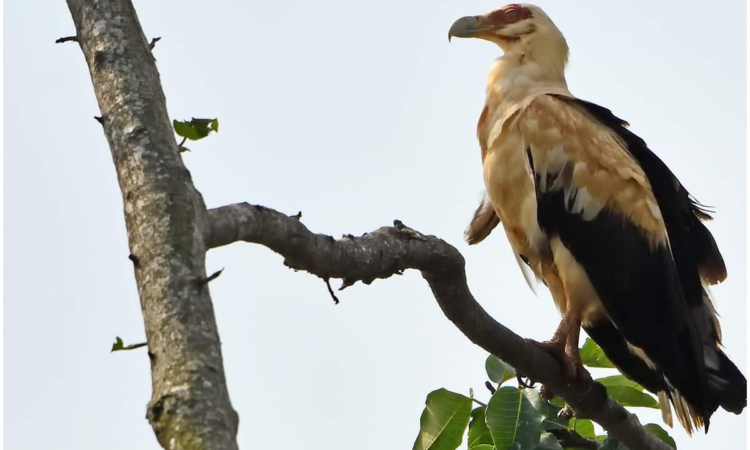
Birding in Mabira Forest is a major activity to do within the charmingly pristine ecosystem situated is central Uganda. This is mainly attributed to the several bird species that inhabit this forest. With such a high number of recorded bird species, Mabira Forest is one of the important birding areas in the country. Everyone could enjoy birding, provided they possess a set of equipment to increase the chances of spotting most of the birds.
Mabira Forest harbors both the migratory and resident bird species, with some of the latter endemic. Sight the migratory bird species in specific seasons, thus not as common as the residents in the forest. These migratory bird species flock to the forest from different areas across the region, especially when it is the breeding season. Endemic ones, on the other hand, live in the forest, thus could be spotted every day.
The nature of Mabira Forest, as a tropical rainforest, favors multiplication of bird species through breeding thanks to enough space. Scattered trees and the canopy do not just offer perfect nesting places, but also food, such as fruits, leaves, and ants. Several designated birding trails in Mabira Forest lead visitors straight to the various bird species across the forest. This makes birding in Mabira Forest very necessary.
As visitors venture into the deep, dense Mabira Forest, birding guides provide help as they identify and spot several bird species. Their wider knowledge regarding the several bird species and their behaviors make them resourceful. Through years of experience, they have mastered the vocalization and sounds of some of the many bird species. With such an incredible set of skills, visitors on a birding adventure in Mabira Forest remain assured of an epic experience.
Bird species in Mabira Forest
Can you imagine that over 300 bird species live in Mabira Forest? Therefore, birding in Mabira Forest offers mouth-watering and awe-inspiring experiences in the country. Some notable bird species to see high up the tree branches include the great blue turaco, fire-chested Alethe, and blue-throated roller. Other birds in Mabira comprise forest robin, blue-breasted kingfisher, African pied hornbill, Nahan’s francolin, Cassin’s hawk eagle, and dwarf kingfisher etc.
Other tourist activities in Mabira Forest
Birding in Mabira Forest is not the sole activity here. The place’s capacity is not limited to only this; other activities exist in the forest. They play a huge role in high visitor turnout per year. These activities include the following.
Guided nature walks
Mabira Forest, for generations, is explored through guided nature walks. These guided nature walks offer visitors awe-inspiring emotions after they get lost in nature. Mabira is vast and has a variety of flora species. Through the designated nature trails, visitors explore the forest and encounter incredible plants and trees that date back over 25,000 years. The breeze alone is of naturally filtered fresh air, is some of the cleanest to soak. Nature walks are divided between short and long walks, and visitors choose what they prefer.
Zip-lining
Mabira Forest also offers a zip-lining experience that couples adventure with nature to create a fun experience. There is a designated area where this activity is done so that the nature of the forest is not interrupted. Zip-lining is an adventurous activity where visitors swing or slide on a suspended cable wire. This is fastened with safety belts. Get the adrenaline rush experience for a memorable and fun adventure to visitors.
Mangabey tracking
Mangabey tracking is also a common activity done in Mabira Forest. The endemic Ugandan mangabey is one of the many primate species that resides in Mabira forest. Trek these primates on foot across the forest. Their encounter in the forest solely depends on the seasons of the year which dictates the availability of food.
Best time to do birding in Mabira Forest
Birding is best done during the wet season, from October to November and from March to May. The wet season in Uganda is a time characterized by heavy rainfall and humid atmospheres. Such conditions favour the birding adventure since it is a time when birds are breeding. During this time birds find plenty of food, thus easier to spot. Migratory birds also arrive in this season for visitors to spot them as they breed.
However, the dry season is also good for birding in Mabira forest since the conditions favour moving along the birding trails. We should mention that the dry season offers limited rainfall patterns and less humid atmosphere. Such conditions cause an increase in fruit-ripening for the birds not to go hungry and run away. This is thus a good time to spot the birds, regardless of their fewer numbers.
In conclusion, Mabira Forest is always open for birding experiences and other activities anytime of the years. Therefore visitors can come through and explore the hidden gems this incredible forest has to offer.


