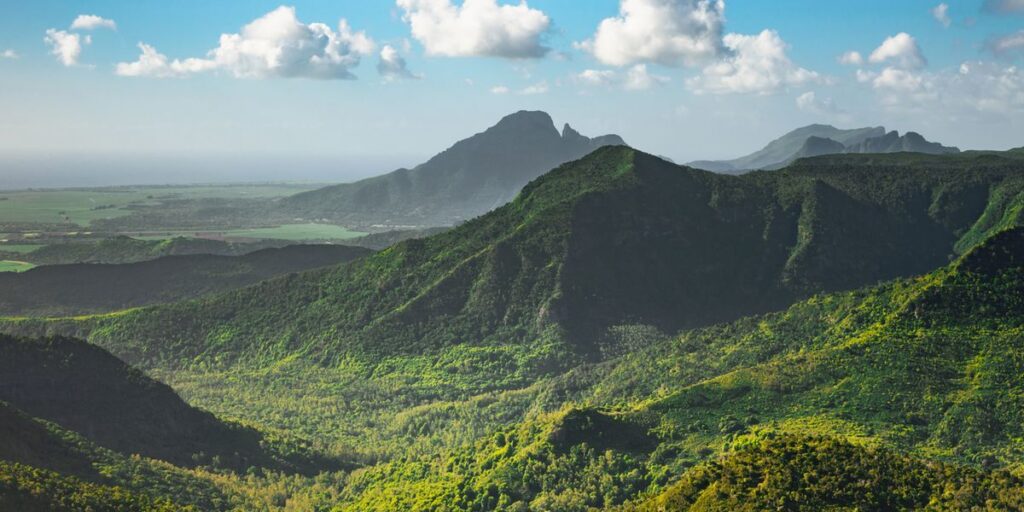
Rising at about 3,187 meters above sea level in the Imatong Mountains, Mount Kinyeti is the landmark and the highest summit in South Sudan, and is situated in the Eastern Equatoria State in proximity to the border of Uganda. For passionate hikers, the highest point of Mount Kinyeti brings the most challenging yet less explored hiking experiences on the African continent. Here, reaching the summit demands careful planning, while working with a known tour guide.
This is because there are no established hiking trails or tourist facilities. It is also important to note that anyone considering hiking the highest peak of Mount Kinyeti must first understand the situation of the region before a visit; areas around the Imatong Mountains have always experienced security concerns, multiple conflicts, and criminal activities. Many governments and embassies strongly advise against visiting these areas unless for essential visits and appointments.
Location and setting
Mount Kinyeti stands within the Imatong Mountains, south eastern part of South Sudan, and spans the Ugandan border. It prides itself as the country’s highest peak, rising above a landscape of valleys, forests and mountain ridges that feel absolutely unusual compared to the dry plains found across much of South Sudan. The scenic mountain is part of the wider Albertine Rift system, a zone recognised for its rich natural environment.
As the elevation increases, climbing to the highest point of Kinyeti takes hikers through varying scenery, where the foothills are covered with dense woodland that gives way to the montane forests. The upper slopes bring adventurous hikers to the cool areas where fewer trees can be spotted, especially those endemic to cool temperatures.
It is always at this stage that visitors get to catch impressive views of neighboring countries like Uganda or Kenya along with stunning landscapes. The changing landscape gives climbers an opportunity to experience different natural habitats, an adventure that stays with many travelers.
The hiking experience to South Sudan’s highest peak.
Making it to the highest summit of Mount Kinyeti in the Imatong Mountains demands extra caution, unlike other established climbing destinations in the East African region. Because it is not frequently visited, the hiking trails are not marked or visible, and there are no mountain shelters that hikers can rely on for their safety.
This explains why so many hikers climb the mountain for several days, organized by reputable local tour guides from the nearby communities, especially at the foothills of the mountain. Hikes in this area take several days to succeed. Hikers can kick off from the lower slopes of the mountain, and as the hike continues, the terrain becomes steeper; rocky zones can be encountered with sharp ridges. Along the mountain, simple camps are being set up to spend a night. Hikers carry their own equipment, food, and the rest of the hiking gear. The lack of functional tourism resources means hikers should be well equipped and physically stable.
Hikers can have the most out of the summit experience in the early morning hours, especially when the weather is stable, as it usually gets cooler on the higher sections of the mountain; however, views of the surrounding neighborhood start to get remarkably clearer, especially Uganda, which can be captivating, and the skies are clearer. Along the way, guides often share stories about the mountain and their connection with the local people.
Hikers can return via the same routes as they descend. Working with guides from the local communities is critical. They are familiar with the hiking trails, water sources, safer zones, and culturally rich areas along the way.
Best time to hike Mount Kinyeti.
The drier conditions generally offer the most favorable hiking conditions to make it to the highest point of Mount Kinyeti in the Imatong. The period brings firmer and more stable trails, along with improved visibility for a seamless hiking adventure. Hikers will find the dry seasons of June to September and December to February the most rewarding, unlike the wetter period.
The rainy period is less ideal for hiking activities in South Sudan; even the waterfalls here are eye-catching, and the vegetation is greener, but trails turn muddy, making it challenging to navigate, especially around October and November.
The future potential of Mount Kinyeti.
Without doubt, if security and peace finally stabilize South Sudan, the mountains of Imatong could become the country’s leading and most vibrant hiking destination. The spot prides itself on responsible tourism and has so much to offer, from impressive waterfalls and abundant wildlife to mountain landscapes mixed with cultural traditions of the neighboring communities.
Through cultural experiences, accommodation, guiding services, transport, and conservation efforts, along with proper planning, tourism could bring in a lasting income flow in the country. With long-term stability, the Imatong Mountains have natural endowments to become one of the renowned hiking destinations in the East African region.


