
Uganda, the Pearl of Africa boasts plenty of historic cultural sites that make a visit to Uganda very interesting. Uganda’s history is intertwined with the culture of different tribes found within its different regions. Way before the colonial era, Uganda was divided into different cultural leaderships, from kingdoms to chiefdoms or clans. These cultural institutions had governance structures unique to their premises, as per their leadership. The coming of the colonialists in the late 19th century sparked a military crackdown on some cultural institutions that failed to collaborate.
In the post-colonial era of 1966, traditional cultural institutions were abolished by the government of Dr. Milton Obote. This followed a political disagreement with the king of Buganda Kingdom and then president of Uganda, Sir Edward Muteesa II. In 1993, traditional cultural institutions were reinstated. The years that followed saw these institutions transformed and rebuilt to their past glory. Now, there are different designated historic cultural sites to visit in Uganda with their significance to specific kingdoms. Some of these historic cultural sites are recognized worldwide as heritage sites by UNESCO. Visitors from far and wide flock to Uganda to visit the different historic traditional cultural sites.
Some of the most notable historic cultural sites to visit in Uganda are detailed below to give visitors a clear insight.
Kasubi Tombs
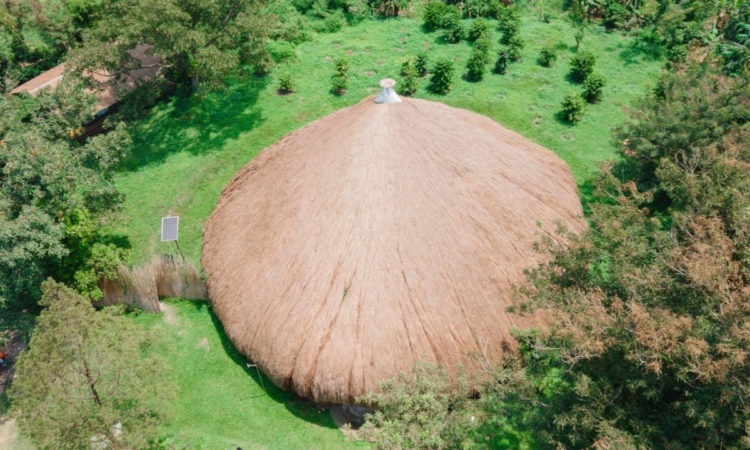
The Kasubi Tombs, located in the Kampala city center on Kasubi hill, are the royal burial grounds of the Buganda Kingdom. The Kasubi Tombs were built in 1882 by the 35th king of Buganda, Kabaka Muteesa I, as a royal palace. However, following his death in 1884, this royal palace was changed to a burial ground and named Kasubi Tombs. Kabaka Muteesa I had built this palace to replace the relatively old palace of his father, Ssuuna II, built in 1820.
The Kasubi Tombs with unique fine structure built with grass and poles were recognized as a heritage UNESCO site in December 2001. In March 2010, the Kasubi Tombs were almost destroyed by a fire, and UNESCO categorized them as a site in danger. The Kasubi Tombs were later rebuilt to their former glory and reopened to visitors in 2023. Visitors can have a one-on-one discussion with the cultural guides at the Tombs to gain insight into these tombs. The four former royal kings of Buganda, including Muteesa I, Mwanga II, Daudi Chwa II, and Sir Edward Muteesa II, are all buried here.
Karambi Royal Tombs in Fort Portal
The misty hills of Fort Portal, close to the main highway to Kasese district lies Karambi Royal Tombs. These are the official royal burial place or cemetery of the Toro Kingdom’s royal family, including the king and the family members. The Karambi Royal Tombs contain the graves of the two former kings of the Toro Kingdom, Daudi Kyebambe Kasagama and George Kamurasi Rukidi II. Visitors can explore this cultural site and discover interesting tales about the history of the tombs and the Toro Kingdom. Therefore, the Karambi Royal Tombs are among the key historic cultural sites to visit in Uganda.
Mparo Royal Tombs of the Bunyoro Kingdom
The Mparo Royal Tombs are not just significant in the cultural history of the Bunyoro-Kitara Kingdom but also in Uganda. These tombs are the final resting places of the royal family of this kingdom. The Mparo Royal Tombs are located in Mparo village off the Hoima-Masindi highway. These tombs hold the remains of Omukama Chwa II Kabalega, Omukama Kabalega II, who resisted British rule, and Sir Tito Winyi. Tito Winyi was the father of the current king of Bunyoro.
The Mparo Royal Tombs also bear the former royal palace of Omukama Kabalega. This is where he met with the British colonialists led by Sir Emin Pasha in 1871. A white cone-shaped structure was built as a monument for this meeting. The tradition of these Tombs is that one is not allowed inside the tombs if they had an extramarital affair the previous night. You get the chance to learn the history of Bunyoro-Kitara Kingdom and how Omukama Kabalega resisted the British until he was defeated and exiled by them.
Nkokonjeru Royal Tombs of Ankole
Although the Ankole Kingdom is currently inactive for various reasons, the Nkokonjeru Royal Tombs hold a sacred part in its history. This is because the tombs are burial places of the former royal family members of Ankole Kingdom. The Nkokonjeru Royal Tombs are located in Nkokonjeru Village in Mbarara City in the western region of Uganda. Some of the kings of Ankole buried here include Omugabe Edward Solomon Kahaya II and Omugabe Sir Charles Godfrey Rutahaba Gasyonga II. The Nkokonjeru Royal Tombs are among the most important historic cultural sits to visit in Uganda. As included among the historic cultural sites to visit in Uganda it offers insight regarding the cultural traditions of Ankole Kingdom.
Nakayima Tree Shrine
Located in Boma village in Mubende district, central Uganda, the Nakayima Tree Shrine offers plenty of interesting stories. The Nakayima Tree Shrine attracts people from far and wide seeking favour, wealth, good omen, fertility, and health, among others. Also the Nakayima Witch Tree is believed to be 350 years old, is among the historic cultural sites to visit in Uganda. It was once a fence of the palace of the Bachwezi dynasty before their disappearance. Nakayima, the priestess of the former first king of the Bachwezi, King Ndahura, was named after this tree. She was the go-between between the king and the local people. Visitors at the Nakayima Tree Shrine have a chance to learn the different traditions, cultural beliefs, and norms performed here.
Bigo Bya Mugyenyi
The Bigo bya Mugyenyi is translated as “fort of the stranger,” located in Mawogola, Sembabule district in central Uganda region. The Bigo bya Mugyenyi site is a breath-taking and insightful cultural site to visit in Uganda. For instance, the Bigo bya Mugyenyi site were used by the Bachwezi to protect themselves against the Luo. The Bachwezi were considered demigods because even to this day, locals believe they are still occupying the site. Nevertheless, the history of the Bachwezi is quite unclear, as it is believed they disappeared.
Wamala Tombs
Located in Nansana Municipality in Kampala Metropolitan Area, the Wamala Tombs consist of the grave of Ssekabaka Ssuuna II. He was the king of Buganda from 1836 to 1856, and the Wamala Tombs were once his palace. It is believed that King Ssuuna II moved from his kingdom in Mulago to find a new area to set up his palace. When he arrived at the place which later became the tombs, he was stunned by the views. Subsequently, he settled there and ordered his subjects to begin the construction of a new palace, known as the Wamala Palace. Following his death, it was turned into the Wamala Tombs and are now among the historic sites to visit in Uganda.
Kabaka’s Lake
The Kabaka’s Lake is iconic in Buganda Kingdom, qualifying it among the best historic cultural sites to visit in Uganda. It was constructed by Kabaka Mwanga II, a former king of Buganda. It was mainly to serve as a defensive barrier to his kingdom following disputes with the Christians and missionaries. The Kabaka’s Lake also served as a main water source to the Baganda during periods of water shortage within the kingdom. This lake is located in the Kampala city center, close to the Kabaka’s Palace in Mengo. A local guide leads visitors across the lake, narrating ancient stories about its existence and how it has shaped this area.


