
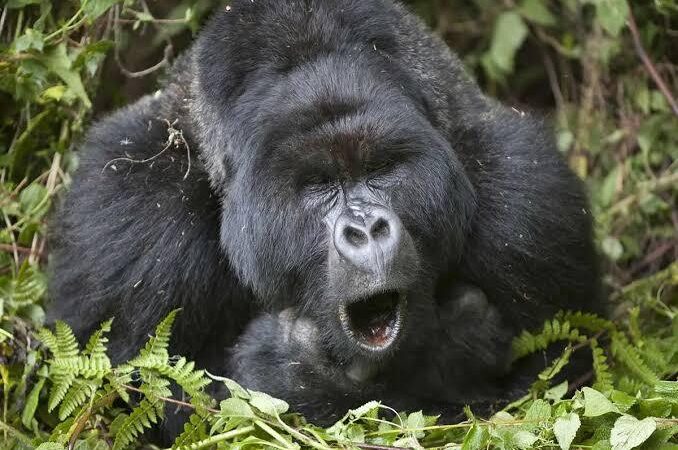
Gorilla trekking is one of the most sensational wildlife encounters that you shouldn’t miss on an African safari. Meeting the massive mountain gorillas in the deep, ancient rainforests of Uganda, Rwanda, or Congo offers such an intimate encounter. You get a chance to observe them as they feed, interact, or groom each other. Witnessing unique moments like these leaves long-lasting memories.
But is gorilla trekking ethical? Questions around gorilla trekking are many, considering how it is conducted. First, some travelers believe that excessive human presence around gorillas is an invasion of their privacy, which puts them at risk of contracting infectious diseases. The exposure to humans also leads to discomfort, an act that can make gorillas become irritated.
To a certain extent, some groups of people also argue that gorilla photography, filming, or use of drones isn’t ethical. Most importantly, gorilla trekking isn’t only an exceptional experience, but also an adventure that promotes conservation and human interaction. It is a rare tourism product that is conducted with ultimate environmental considerations. The various environmental considerations play a significant role in the protection of gorillas and humans that interact with them.
Understanding the Ethical Concerns of Gorilla Trekking
Gorilla trekking is known for its huge economic benefits, but also presents many ethical challenges. The history of gorilla tourism and conservation comes with many challenges. But the most interesting part is that tremendous success has been recorded across gorilla destinations. The current success story of gorilla conservation and tourism can be attributed to how the experience is managed and the impact that it is creating. Despite the incredible benefits from gorilla trekking, ethical concerns still exist and include;
Risk of disease transmission
Gorillas are closely related to humans in the wild. They share up to 98% of their DNA with humans, a factor that makes them highly susceptible to infectious human diseases. The major concern is that during interactions with tourists, they can be exposed to illnesses. Interestingly, the solution to this conservation concern is maintaining a standard distance of 7m away from gorillas. Park authorities also enforce the wearing of masks as one of the key practices that can reduce the possibility of these apes contracting illness.
Gorilla Habituation
Before a gorilla family is opened for tourism purposes, it undergoes habituation. Gorilla habituation is a gradual process in which gorillas are made used to human presence. It can take a duration of about 1 to 2 years or less, depending on how quickly the family of gorillas can adapt. While the habituation process may cause behavioral changes, the remarkable part is that it is conducted by experienced and trained park trackers. The process is conducted with guidance by conservation protocols to ensure low impact.
Ethical Measures for Gorilla Trekking
- Keep a safe distance of 8- 10 m from gorillas.
- Respect the one-hour limit for a close encounter with gorillas.
- Avoid eating, smoking, or drinking in the presence of gorillas.
- Do not forget to observe the instructions given by your guide.
- Don’t go on a gorilla trek if you are sick.
- Respect the gorilla habitat and avoid littering.
- Support local communities living adjacent to the parks.
Role of Government in Ethical Gorilla Trekking
Government has played a crucial role in promoting ethical gorilla trekking. The park authorities work together with conservation organizations on different aspects, including;
- Setting the gorilla permit prices.
- Regularly monitoring the health of gorillas.
- Training park rangers and guides.
- Implementing the conservation regulations.
Where to go for Gorilla Trekking
Uganda, Rwanda, and Congo are the only 3 countries where you can find the mountain gorillas. Mountain gorillas in Uganda survive in the misty Bwindi Impenetrable National Park and Mgahinga Gorilla National Park. Gorillas in Rwanda live in Volcanoes National Park. In the Democratic Republic of Congo, mountain gorillas thrive in the Virunga National Park.
About 1,063 mountain gorillas still reside in the wild today. These apes freely roam in the 4 parks across the world. Visiting Africa to see mountain gorillas is a dream come true.
Gorilla trekking in Uganda, Rwanda, or Congo introduces primate adventure seekers to the forest terrain. With an experienced park guide, expect to enjoy at least 2 to 6 hours of searching for an already habituated group of mountain gorillas.
How much is a Gorilla Permit Today?
Gorilla trekking is highly restricted, with permits issued to visitors of above 15 years. The cost of each permit varies depending on the destination (country). At USD 800 per person, you can have a chance to secure a gorilla permit in Uganda. The cost of permits in Uganda applies even to visitors on a Mgahinga gorilla trekking tour.
Gorilla permits in Rwanda currently cost USD 1,500 per person. Through Standard Safaris, you can secure a gorilla permit with ease, whether in Uganda or Rwanda. By booking a gorilla permit, a visitor won’t get a lifetime opportunity to interact with gorillas, but also he or she directly contributes towards conservation.


