
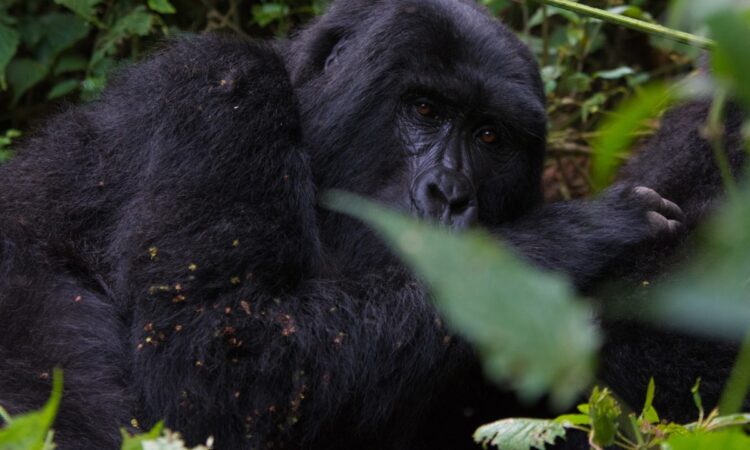
The Northern Hemisphere’s winter can hit so hard that one would wish to take a leave off especially during December to February. During this particular period, days feel shorter and the cold bites harder! By taking leave of the shivering snow, one would wish to spend that precious time in a home-from-home kind of vibe. There is no doubt that Uganda tops the bucket list as the best venue for this type of holiday. Whereas most of the exciting tourism activities are suppressed during the winter season, Uganda offers its guests an opportunity to trek and locate the gentle, shy primates of mountain gorillas in their natural habitats. It’s undoubtedly true that one can trek gorillas in Uganda during the winter period, while on the tracking process, a wide range of other wildlife is not hidden from sight but is available. Here’s why gorilla trekking can be done in the winter season, especially in the pearl of Africa.
Uganda’s Dry Season.
Without doubt, the pearl of Africa has got its kind of rhythm insofar as tourism is concerned. While one is shivering in the Northern hemisphere, Uganda is kicking off its short dry season, running from December to February. It’s not completely Sahara-like and dry! Rain still comes in, but the downpours are a little bit limited, making the trails in Bwindi Impenetrable National Park and Mgahinga Gorilla National Park turn from muddy trails into something you can hike without a stressful and challenging experience. This is the perfect time for all gorilla trekking activities in Uganda. Over half of the only remaining mountain gorillas find home in Bwindi, and just one gorilla family finds shelter in Mgahinga Gorilla National Park.
During the drier season of the year, the tracking trails are simply dried up with no single trace of water ponds or floods, while on the other hand, even the lush vegetation is dry as a result of prolonged heat. The tracking trails are now much visible, passable, and much easier to maneuver to the next point. Giving travelers such an unforgettable gorilla experience. Mornings kick off cool, maybe about 52°F, with mist that can be seen curling through the trees. By midday, guests are now at a comfy 73°F, where all they need is just a light jacket, especially once they start climbing.
The skies clear up more compared to the case in wet season months i.e. from March-May or October through November giving you the most remarkable views of the Bwindi’s wilderness. The tracking trails are muddy, slippery and almost inaccessible during the Uganda wet period, giving travelers a challenging gorilla experience.
The exciting search for mountain gorillas.
Tracking, locating, and spending part of your precious time with the mountain gorillas is undoubtedly a once-in-a-lifetime experience. During the dry season, these gentle primates, sharing 98% of our DNA but living way wilder, tend to hang lower in the forests, feeding on shoots and fruits that fall off in the drier weather. Meaning that it’s now a shorter trek of about 30 minutes if luck is on one’s side. Trekking can sometimes take half a day, depending on the location of these giant primates. Sometimes they tend to go deeper into thick forests in search of food and drinking water. Either way, one is in for a workout given the steep hills and thick vines.
The whole feeling of getting to spend that one hour with the mountain gorillas in their natural habitats is exceptional and worthy of every penny and time spent. It’s messy, real, and hits the right spot.
Gorilla trekking Permits cost around USD 800 and are undoubtedly cheaper than Rwanda’s USD 1,500. Only 96 permits go out daily in Bwindi i.e. split across the Buhoma sector, Ruhija sector, Rushaga sector, and Nkuringo sector while Mgahinga is even tighter.
If the timing is right, winter is also a party season, Christmas and New Year’s Eve light up Kampala with vibe, music, food, and markets that’ll make you forget snow ever existed back at home. Or heading to Lake Bunyonyi near Mgahinga to experience the 29 islands, calm waters, and clear skies.


