
Mubwindi Swamp is located in the Ruhija sector in the eastern part of Bwindi Impenetrable National Park. Mubwindi is a popular birding destination since it attracts various bird species offering a combination of two ecological systems of swamp and tropical forest. The Mubwindi swamp is a spectacular sight only fit for imagination offering incredible nature encounters of primates, birds, and mammals. The trail of the Mubwindi swamp unlocks the hidden gems of Bwindi that expose the untamed and uncharted sceneries. The misty clouds that overlook the canopy dictate the sights and sounds piercing the horizon with beauty.
The Ruhija gorilla sector is one of the four gorilla sectors of Bwindi Impenetrable National Park. It is located in the eastern region of the park with breathtaking features worth your attention. The Ruhija sector harbors a variety of wildlife species including primates, mammals, birds, and amphibians. The sector is most popular for being a natural haven for the endangered mountain gorilla species. There are over 3 gorilla families in the Ruhija sector including the Bitukura, Oruzongo, and Kyaguriro gorilla families. These families are available for trekking daily and can be accessed after purchasing a trekking permit.
Bwindi Impenetrable National Park is the epitome of gorilla trekking in the world. This is because it hosts the largest popular mountain gorillas in the world. There are over 459 mountain gorillas in Bwindi totaling more than half of the world’s gorilla population. There are four gorilla sectors in the park including the Buhoma, Nkuringo, Rushaga, and Ruhija gorilla sectors. With these many sectors in the park, visitors can trek the endangered mountain gorillas with ease since there are many available permits daily.
What to see in Mubwindi Swamp?
There are various attractions in the Mubwindi Swamp that visitors can take advantage of. These attractions harbor the swamp and tropical ecosystem of Mubwindi. These include the following.
Bird species
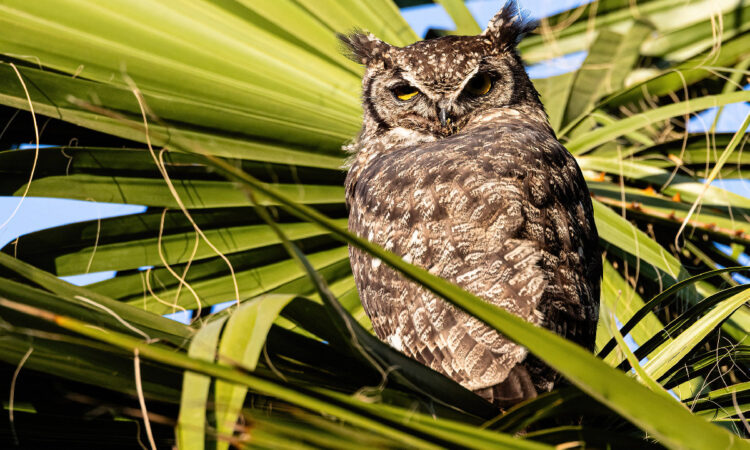
The Mubwindi Swamp is a one-stop center for birding safaris in Bwindi Impenetrable National Park with over 100 species. Bird watching takes place on the Mubwindi swamp trail because the swamp harbors a variety of birds including endemic and migratory birds. These endemic birds are residents of the Mubwindi swamp and can be spotted at any time of the year. The migratory birds are seasonal to the Mubwindi swamp and only come to the swamp in specific seasons. The birds in the Mubwindi swamp include the African wood owl, black bee-eater, western green tinkerbird, handsome francolin, grey cuckoo-shrike, fine-banded woodpecker, kivu ground-thrush, red-throated Alethe, Rwenzori batis, blue-headed sunbird, strip-breasted tit, dusky Crimsonwing, strange weaver, Chapin’s flycatcher, mountain yellow warbler, and red-faced woodland warbler to mention but a few.
Primates
Mubwindi Swamp on top of hosting a variety of bird species, also harbors diverse primate species. These primate species range from the gigantic endangered mountain gorillas that on rare occasions visit the swamp to the smaller primates. During peak dry seasons, the gentle giant endangered mountain gorillas sometimes visit the swamp to quench their thirst when there are scarce water sources in the park. Other primates to encounter on a tour of the Mubwindi swamp include chimpanzees, vervet monkeys, blue monkeys, olive baboons, and black and white colobus monkeys among others.
Mammals
There are few mammals to encounter on a visit to the Mubwindi swamp. These mammals are usually constant in the swamp area during the dry season. This is when there are few water sources in the park and Mubwindi being a swamp retains water for a while. Some of the mammals in the Mubwindi swamp include forest elephants, bush pigs, and giant forest hogs to mention but a few.
What to do in the Mubwindi Swamp of Ruhija
Mubwindi Swamp has a lot to offer visitors embarking on a tour of the swamp. There is a lot to do in the Mubwindi swamp including the following.
Guided nature walk
Guided nature walks are the best way to explore the Mubwindi swamp in the Ruhija sector. Guided nature walks as the name suggests are done with the guidance of a ranger who leads the visitors on a journey to explore the Mubwindi swamp on foot. While on this guided nature walk, visitors will encounter wildlife species like primates, mammals, and birds and also scenic views of the park. The swamp ecosystem exposes the natural beauty of the park away from the tropical canopy and also Virunga ranges of DRC in the background.
Bird watching
Birding is the main activity carried out in the Mubwindi swamp. This is because the swamp hosts over 100 species that can be spotted. These range from the endemic residents to the migratory seasonal birds. Prepare and embrace yourself for an epic birding adventure like no other when you visit the Mubwindi Swamp.
Primate walk
Just like the bird species, the Mubwindi Swamp hosts different primate species. These can be encountered on a primate walk in the swamp. This walk specifically targets the primate species in this swamp that can be spotted. While on this primate walk, visitors can be sure of encountering primates like olive baboons, vervet monkeys, blue monkeys, and black and white colobus monkeys. On a lucky day, visitors can encounter the endangered mountain gorilla primates with their cousins the chimpanzees.
Cultural encounters
After exhausting the Mubwindi swamp wildlife encounters, embark on a cultural tour of the ancient people that harbor the areas close to the swamp. These are the Batwa pygmies who were the forest dwellers that inhabited the park area before it was established. They are known as the forest keepers and are among the oldest existing groups of people in the world. Visitors can interact with the Batwa and learn about their ancient traditions and survival skills that kept them living harmoniously with the wildlife.
When to visit Mubwindi Swamp
Mubwindi Swamp receives two dry and wet seasons annually. The dry season runs from June to September and December to February. It is characterized by little or no rainfall throughout the year. However, the wet season on the other hand runs from March to May and October to November. This is a period of heavy rains that increase the water volumes in the swamp.
Visiting Mubwindi Swamp primarily depends on what the visitor is interested in doing. This is because there are specific seasons for participating in certain activities. For example, birding enthusiasts can have a memorable time when they visit in the wet season. This is because the wet season is the best birding season when there is plenty of food for the birds and they are most active and breeding. Visitors on primate walks, nature walks, and cultural tours, should visit during the dry season. This is when the trails in the swamp are dry and navigable.


